
Designing a sustainable off-grid home involves integrating various elements that promote energy efficiency, resource conservation, and environmental harmony.
Here’s a comprehensive approach to designing such a home:
1. Site Selection and Orientation
- Choose a location that maximises natural resources like sunlight and wind.
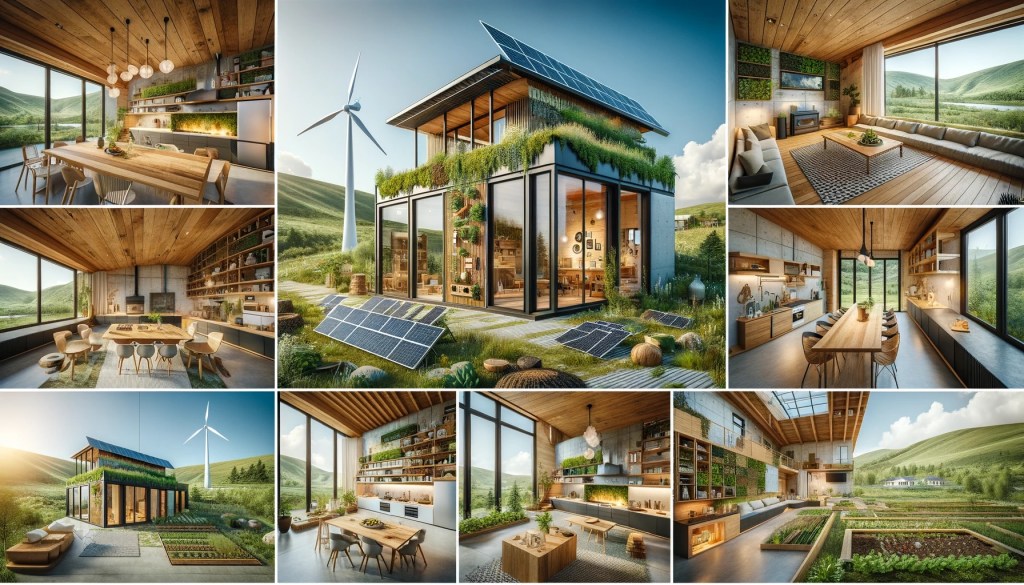
- Orient the home to take advantage of passive solar heating and cooling. Large south-facing windows can capture low winter sun for warmth, while overhangs can provide shade during the summer.
2. Energy Efficiency
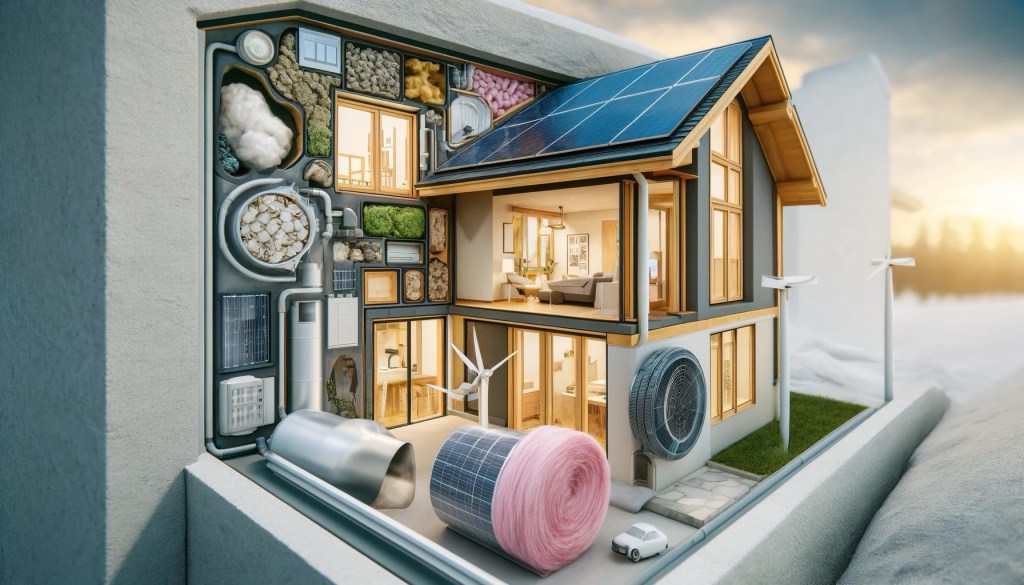
- Use highly insulative materials to reduce heating and cooling needs, such as straw bale, rammed earth, or high-performance insulation.
- Install energy-efficient windows that minimize heat loss in winter and heat gain in summer.
- Design for cross-ventilation to enhance natural cooling without the need for air conditioning.
3. Renewable Energy Sources
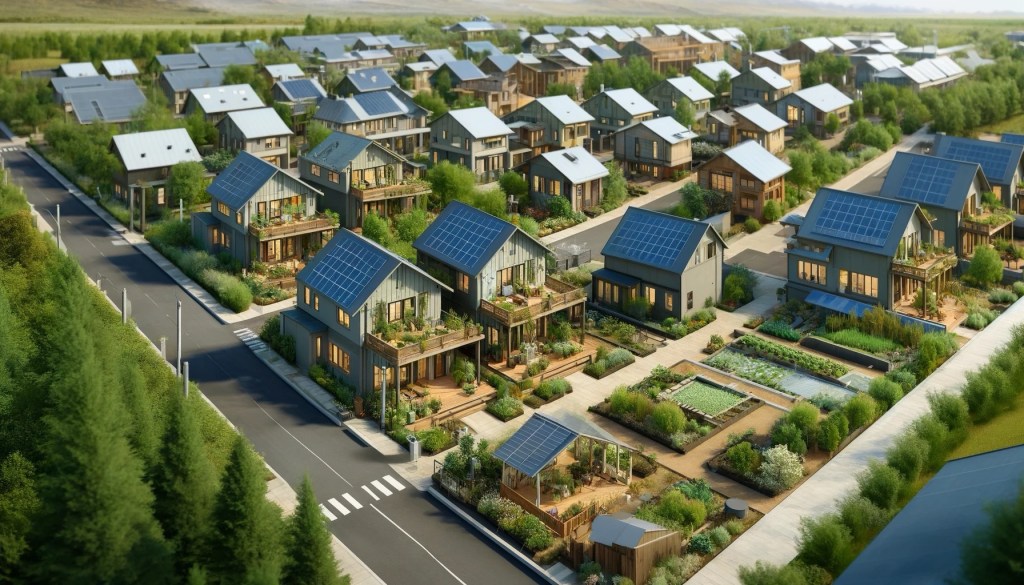
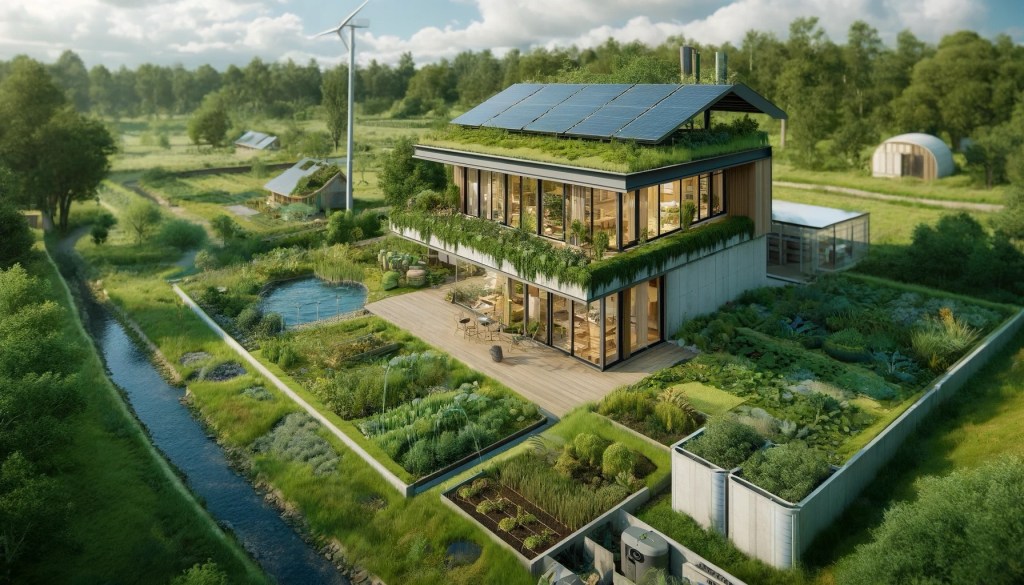
- Solar panels: A photovoltaic system tailored to meet all electrical needs.
- Wind turbines: If the location is conducive, small residential turbines can supplement power needs.
- Geothermal systems for heating and cooling using the stable underground temperature.
4. Water Management
- Rainwater harvesting system with storage tanks for garden and non-potable home use.
- Greywater recycling system to reuse water from showers, sinks, and laundry for irrigation and toilet flushing.
- Install a water-efficient plumbing system, including low-flow fixtures and appliances.
5. Sustainable Building Materials
- Use local, natural, or recycled materials to reduce environmental impact and support the local economy.
- Examples include recycled steel, sustainably harvested wood, or bamboo.
6. Waste Management
- Incorporate a composting system for organic waste.
- Plan for waste segregation to facilitate recycling and reduce landfill use.
7. Indoor Air Quality and Natural Lighting
- Use non-toxic building materials to avoid indoor pollutants.
- Design to maximize natural light to reduce artificial lighting needs, which conserves energy and enhances living comfort.
8. Outdoor and Landscape Design
- Use native plants in landscaping to reduce water and fertilizer use.
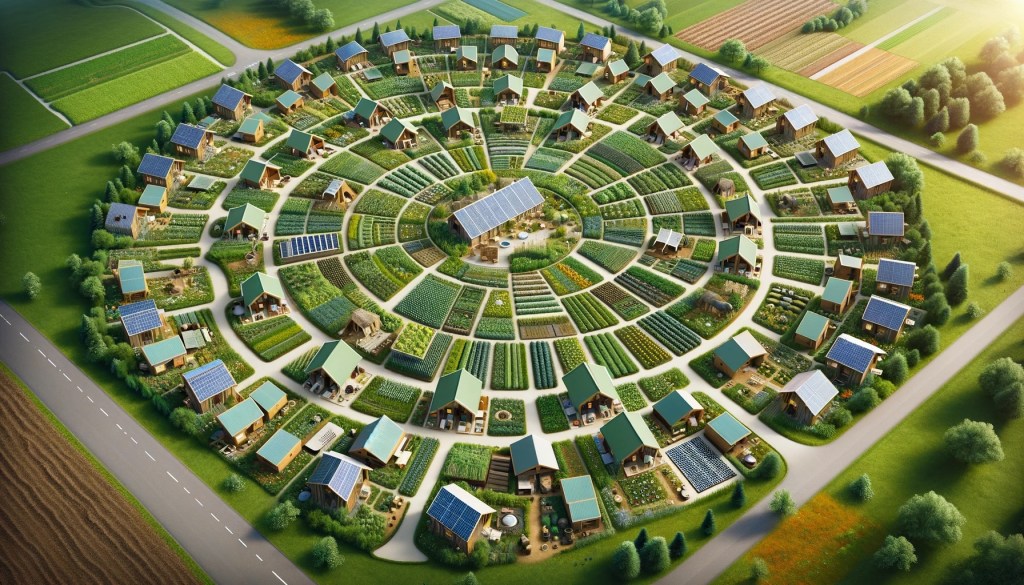
- Design the outdoor space to include food-producing areas like vegetable gardens and fruit trees.
- Incorporate outdoor living areas to extend the livable space without increasing the footprint.
9. Technological Integration
- Smart home technology can manage energy use, water heating, and security systems efficiently.
- Energy monitoring systems to track consumption and optimize usage patterns.
10. Community and Lifestyle
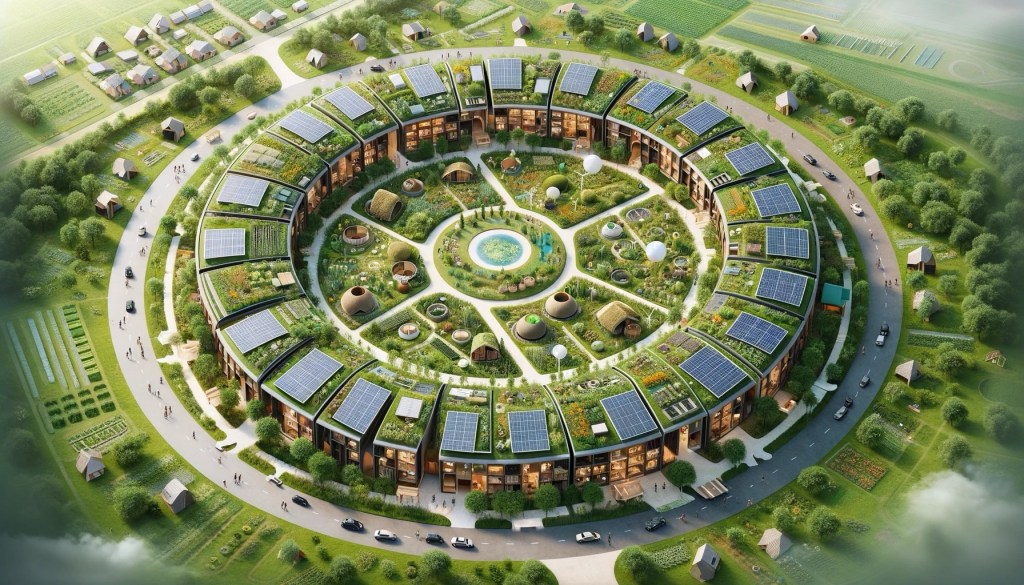
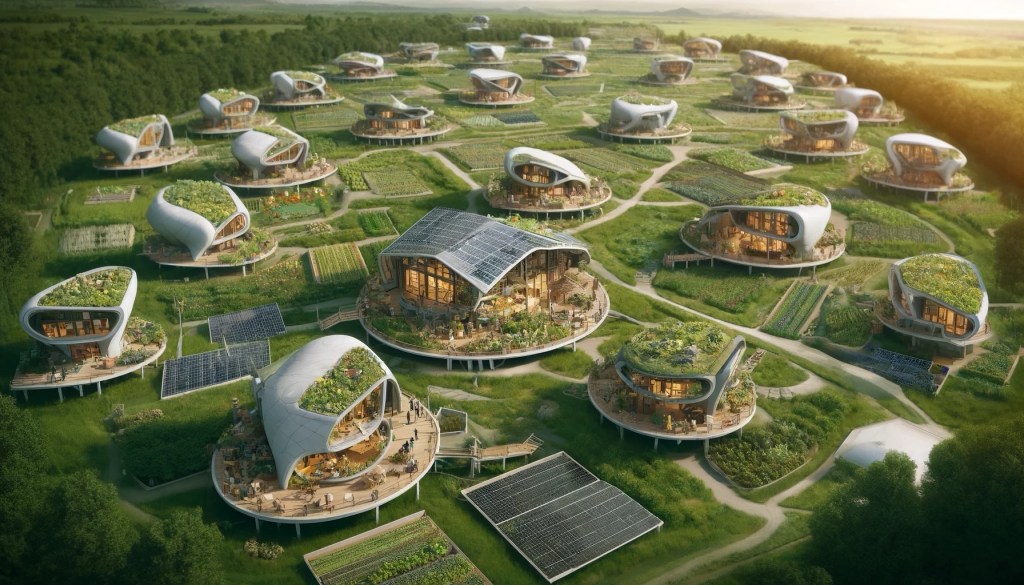
- Consider community-shared resources, like tool libraries or communal gardens, to minimize individual household needs.
- Design with flexibility for future adaptations or expansions with minimal environmental impact.
This design framework aims to create a home that not only reduces dependency on traditional energy and water sources but also provides a comfortable and sustainable living environment.


 The Duck Pond Splash Down
Leave a comment