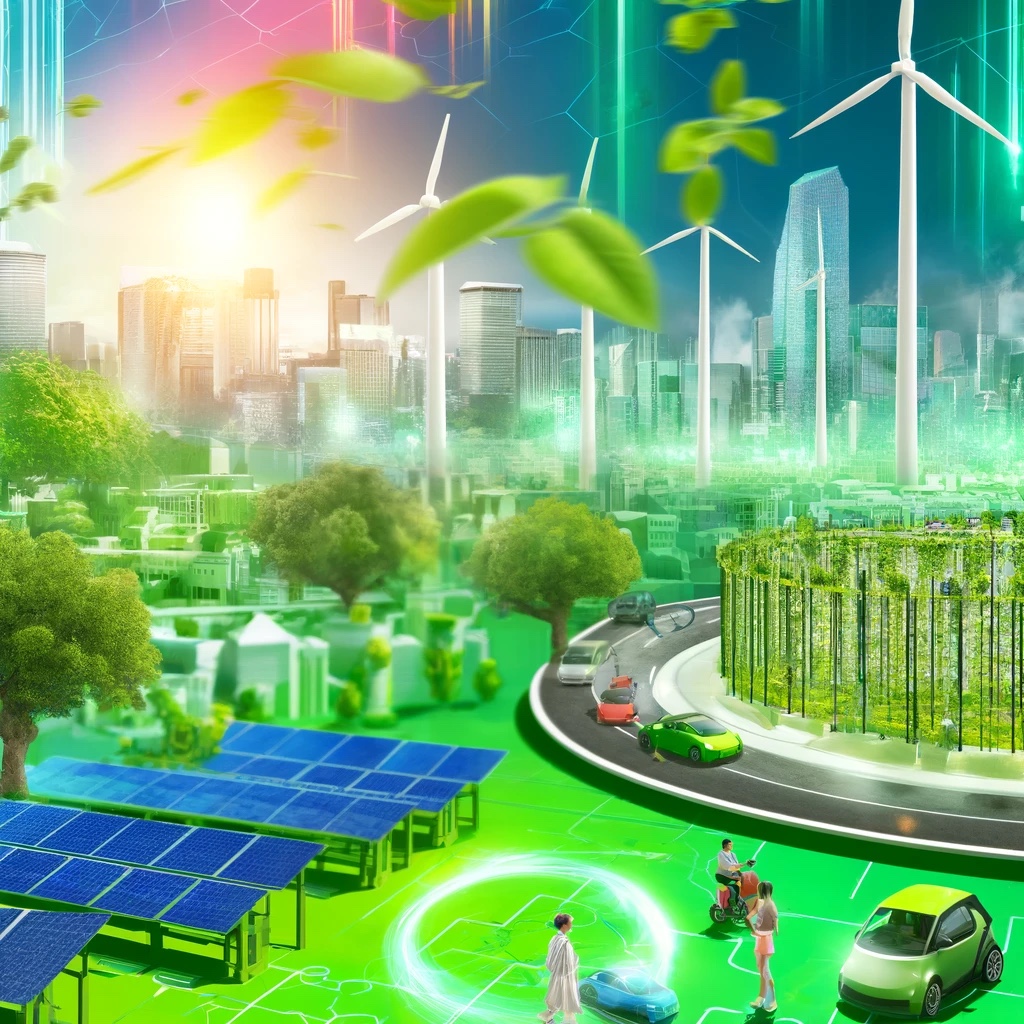
The next three decades will see significant advancements in renewable energy technologies, making clean energy more efficient and widely accessible.
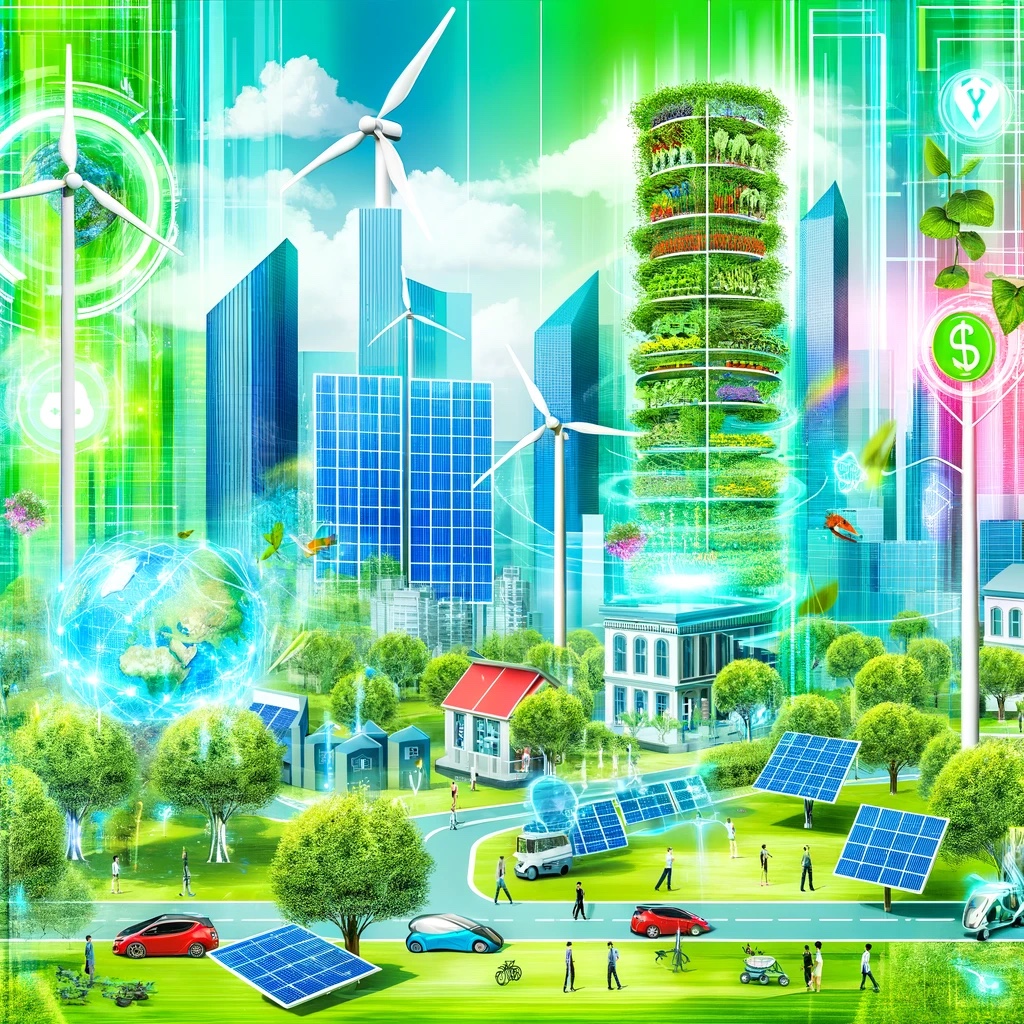
- Solar Power: Innovations in solar panel efficiency, such as perovskite solar cells, will drastically reduce the cost and increase the energy output of solar installations. Solar energy will become a primary energy source, capable of powering entire cities sustainably.
- Wind Energy: Offshore wind farms and new turbine designs will capture more energy from wind. Floating wind turbines will allow access to deeper waters with stronger and more consistent winds, boosting the global capacity for wind energy.
- Energy Storage: Breakthroughs in battery technology, including solid-state batteries and grid-scale storage solutions, will enable the reliable storage of renewable energy, ensuring a consistent supply even when the sun isn’t shining or the wind isn’t blowing.

Smart Grids and Energy Management
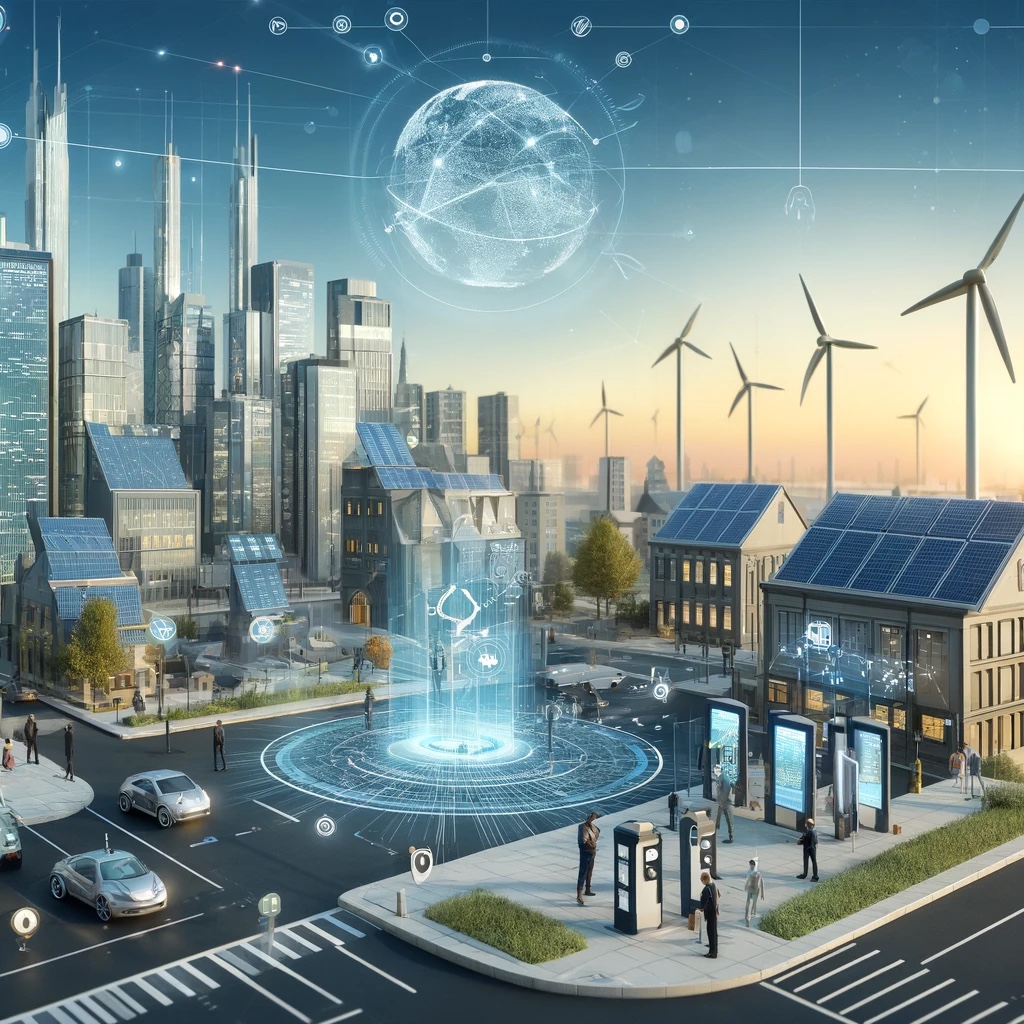
Smart grids will revolutionise how energy is distributed and consumed, optimising efficiency and reducing waste.
- Grid Modernisation: The integration of smart grids will enable real-time monitoring and management of energy supply and demand. This will reduce energy loss, improve reliability, and support the integration of renewable energy sources.
- Demand Response: Advanced algorithms and AI will manage demand response programs, encouraging consumers to reduce or shift their energy usage during peak times, balancing the load on the grid and reducing the need for fossil fuel-based backup power.
Carbon Capture and Storage (CCS)
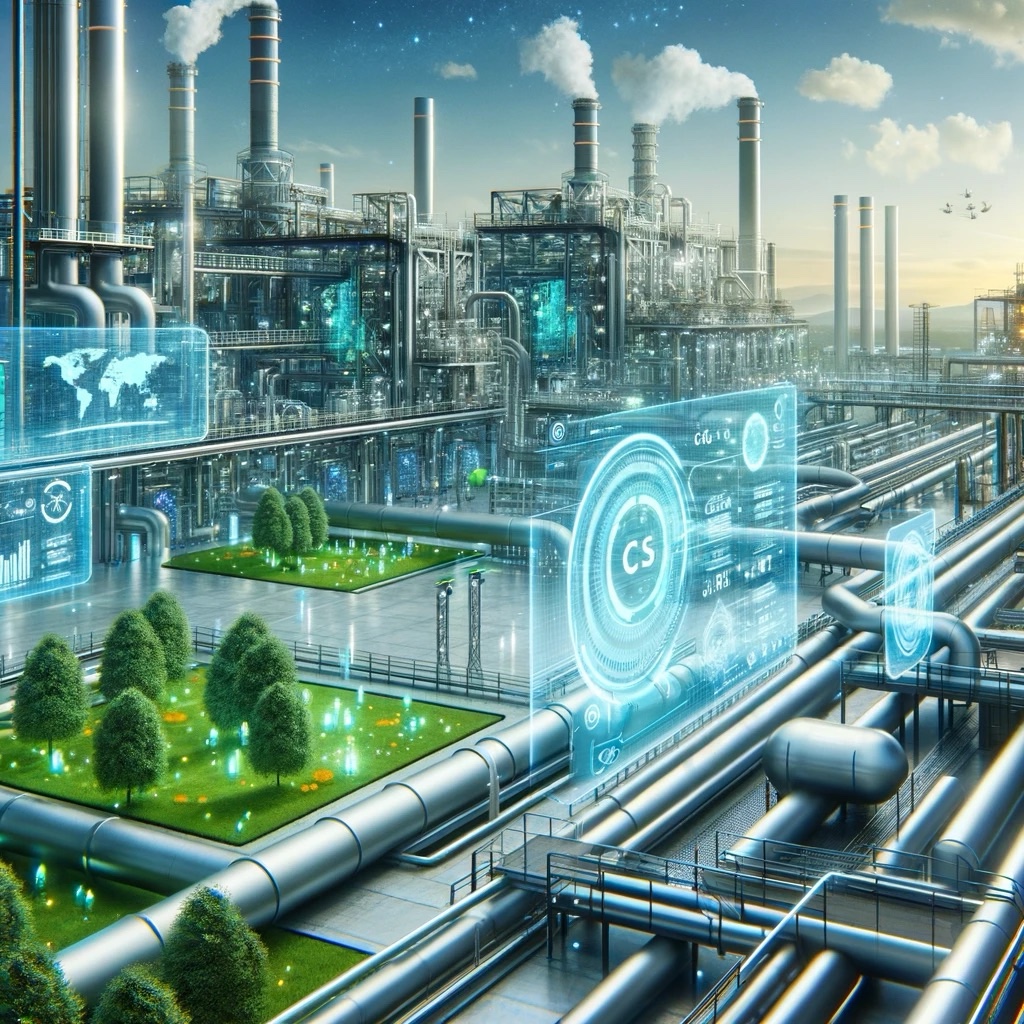
Technologies for capturing and storing carbon dioxide will play a critical role in mitigating climate change.
- Direct Air Capture: Advances in direct air capture technology will enable the removal of CO2 directly from the atmosphere. These systems will be more efficient and scalable, helping to offset emissions from hard-to-decarbonise sectors.
- Enhanced Oil Recovery and Storage: Using captured CO2 for enhanced oil recovery (EOR) and then permanently storing it underground will help reduce net emissions from existing fossil fuel infrastructure while transitioning to cleaner energy sources.
Sustainable Agriculture and Food Production
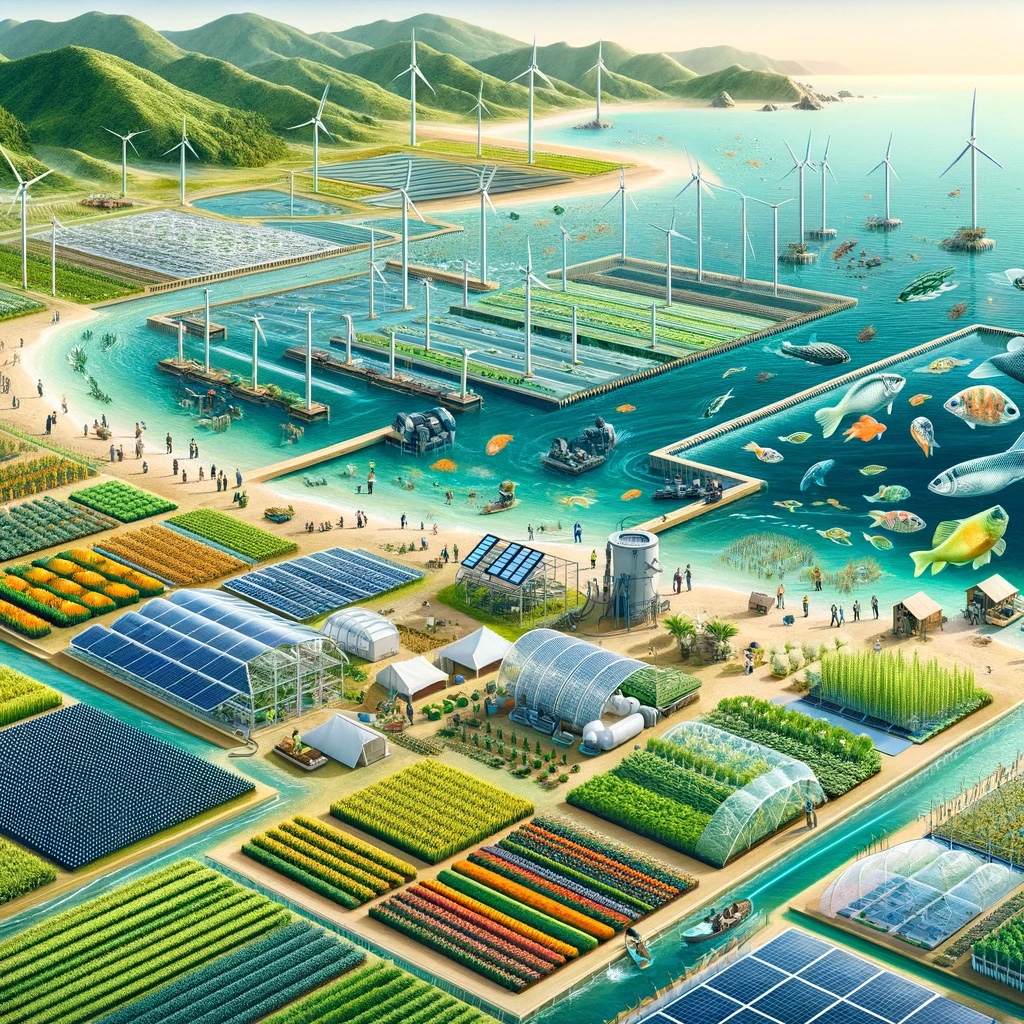
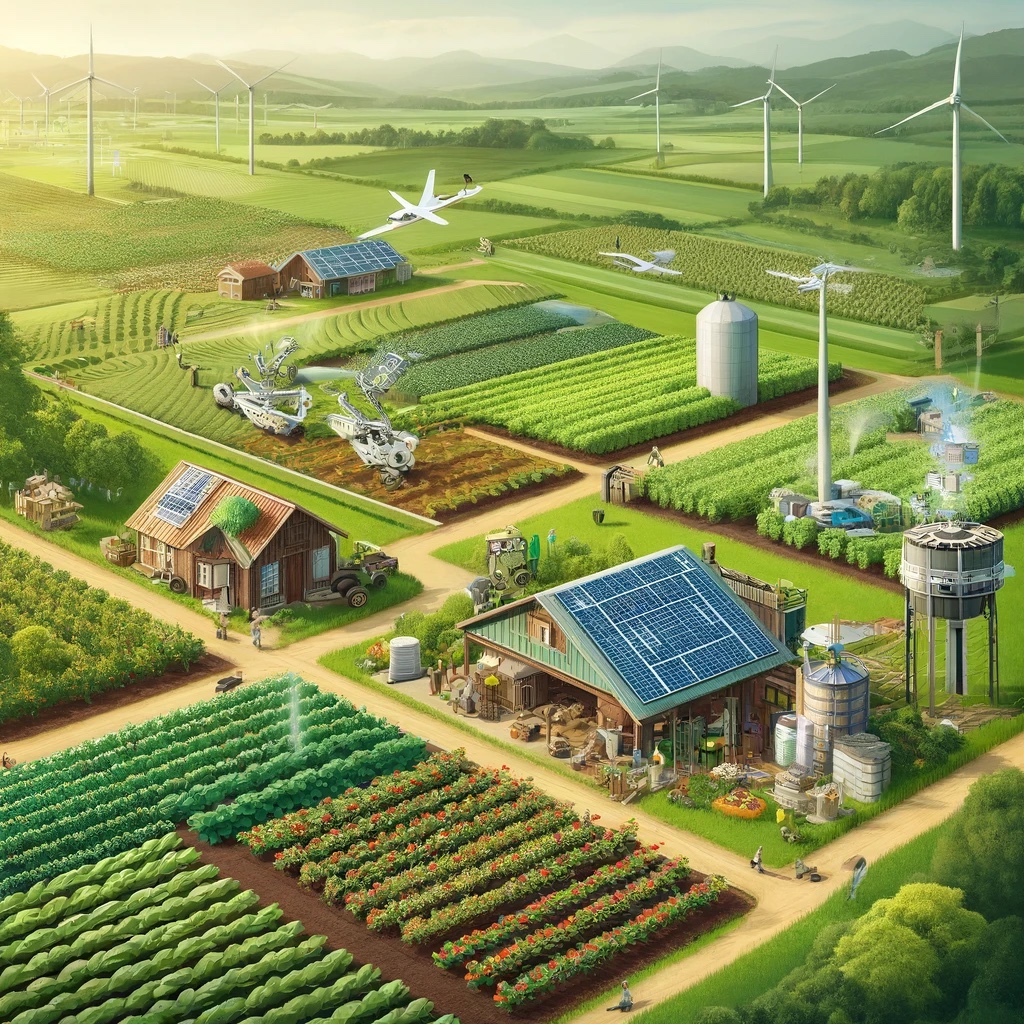
Agricultural technology will evolve to produce food more sustainably, reducing the sector’s carbon footprint.
- Precision Agriculture: IoT devices, drones, and AI will optimise the use of water, fertilisers, and pesticides, reducing waste and environmental impact while increasing crop yields.
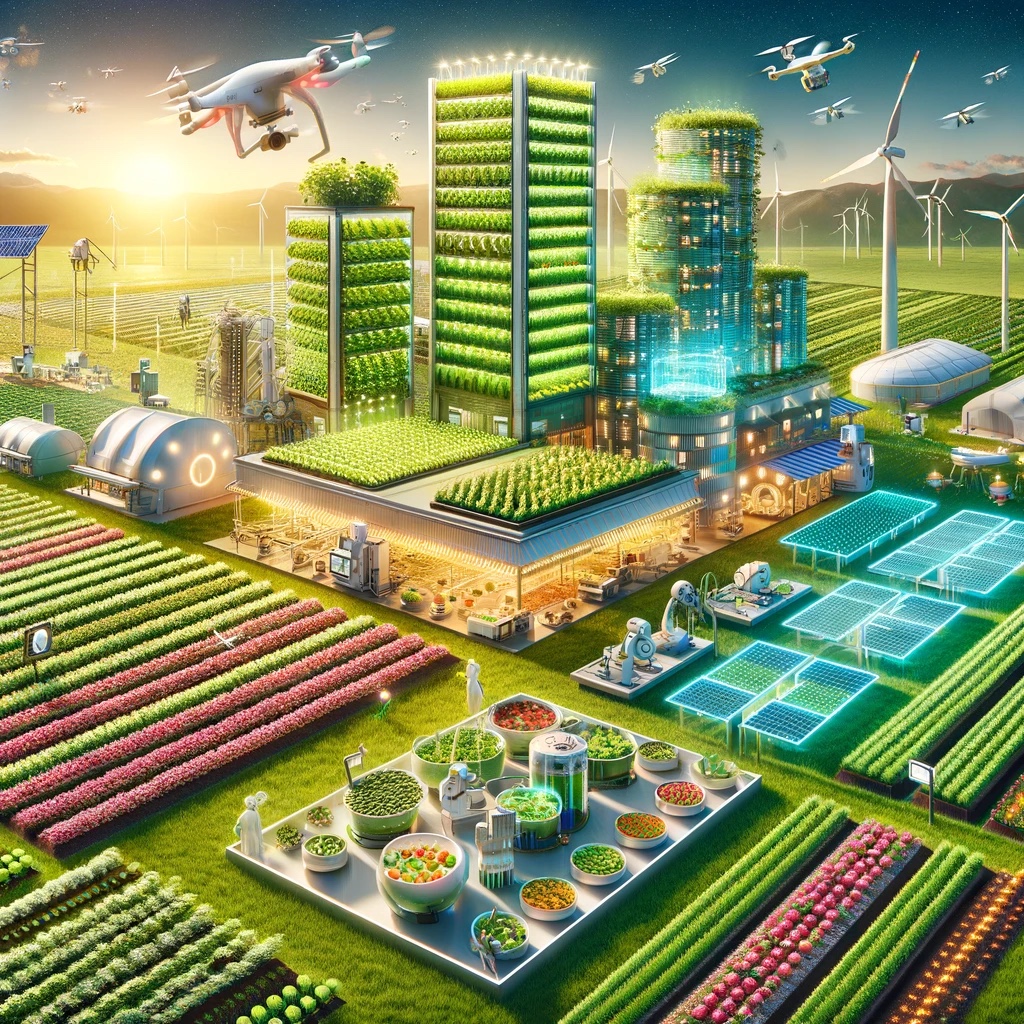
- Vertical Farming: Urban vertical farms will grow food with minimal land and water use, using renewable energy and reducing the need for transportation, thus lowering emissions.
- Lab-Grown Meat: Advances in cultured meat production will provide a sustainable alternative to traditional livestock farming, significantly reducing methane emissions and land use.

Transportation Innovations
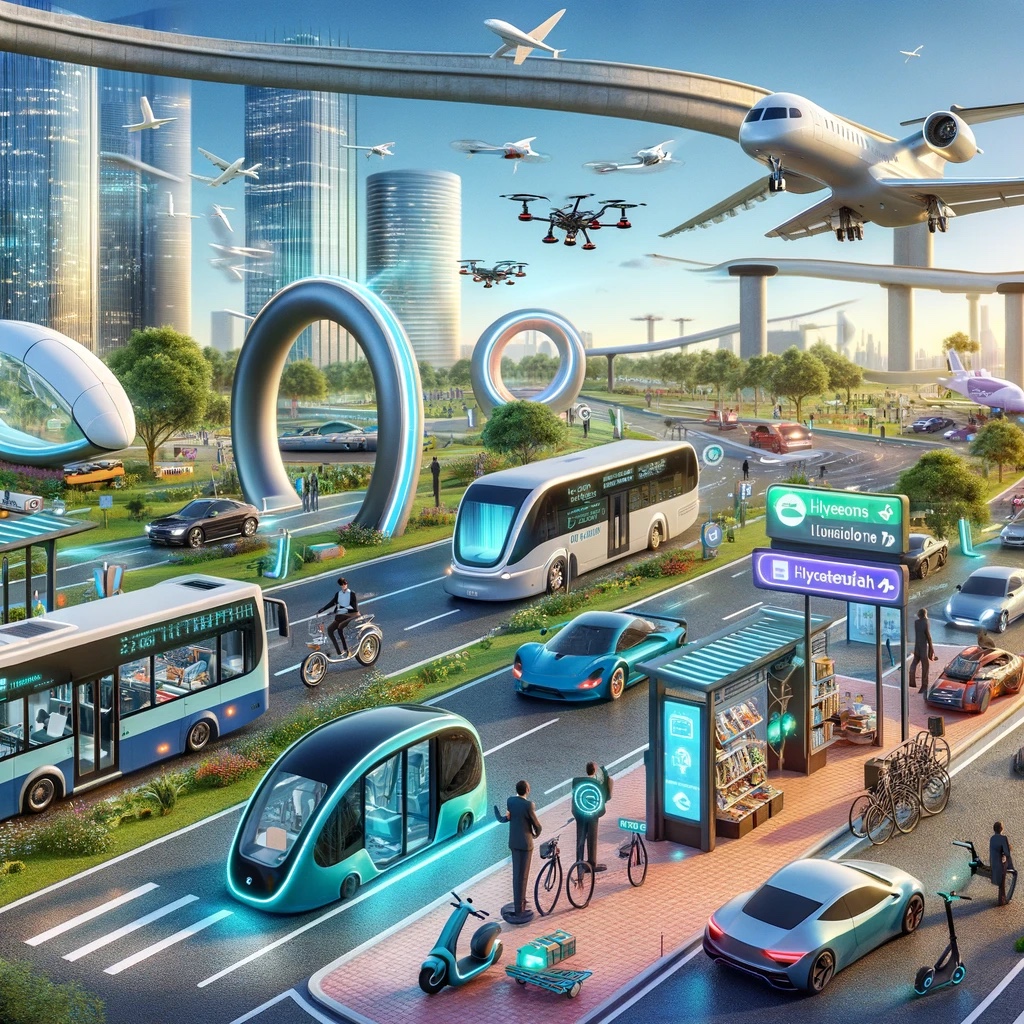
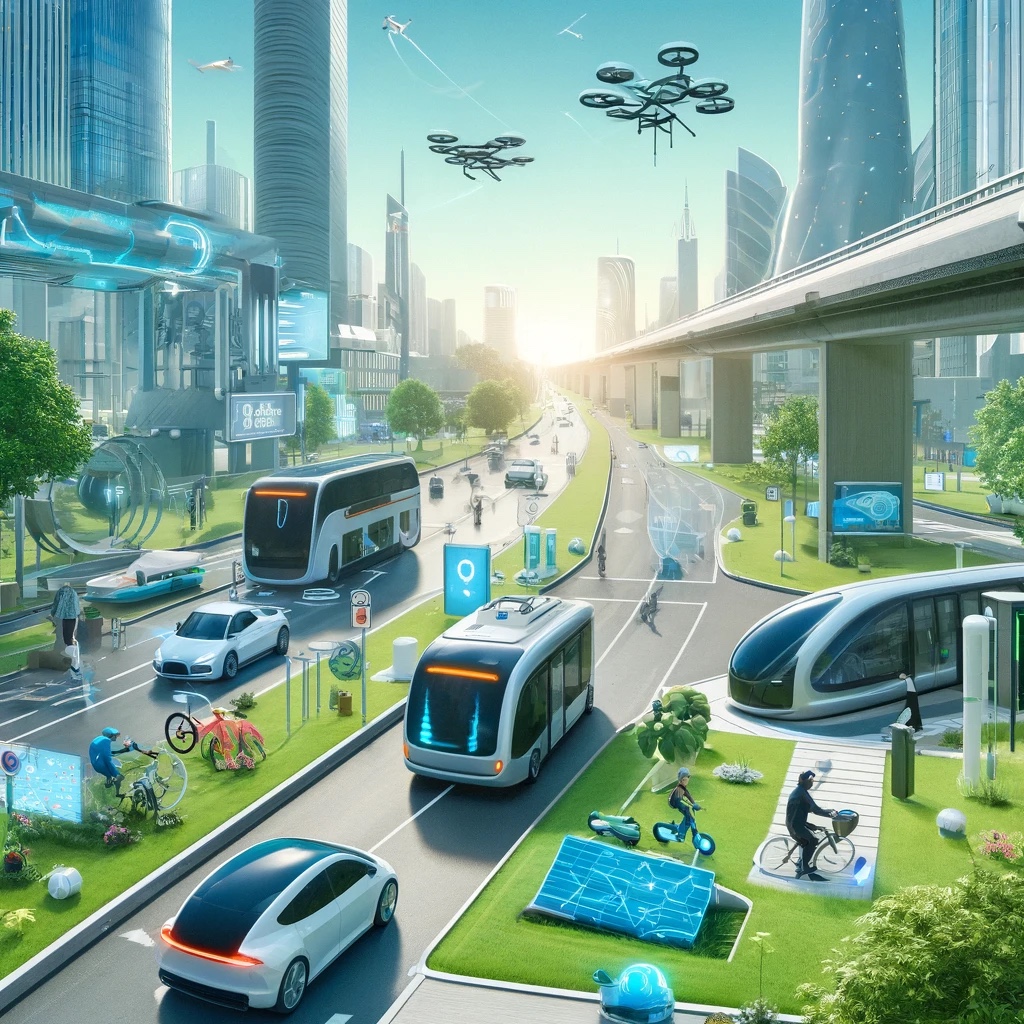
The transportation sector will undergo a significant transformation, reducing its carbon footprint through technological advancements.
- Electric Vehicles (EVs): Continued improvements in EV technology, including longer battery life and faster charging, will make electric cars, buses, and trucks the norm. The widespread adoption of EVs will significantly reduce greenhouse gas emissions from the transportation sector.
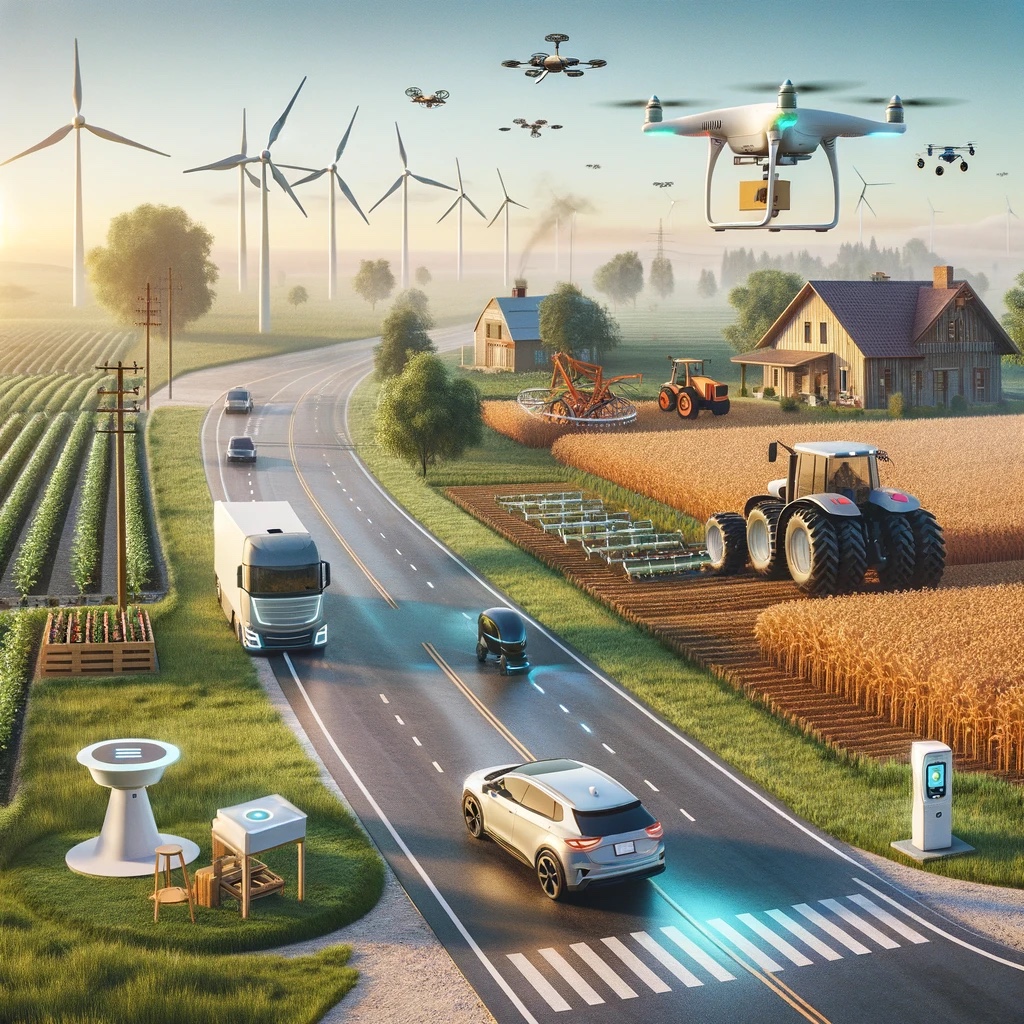
- Autonomous Vehicles: Autonomous driving technology will optimise routes and driving patterns, reducing energy consumption and emissions. Shared autonomous vehicle fleets will decrease the number of cars on the road, further lowering emissions.
- Sustainable Aviation Fuels: The development of biofuels and synthetic fuels for aviation will reduce the carbon footprint of air travel. Electric and hybrid aircraft will also emerge, particularly for short-haul flights.
Climate Modelling and Data Analytics
Advanced data analytics and climate modelling will enhance our ability to predict and respond to climate change impacts.
- High-Resolution Climate Models: Enhanced computational power will produce more accurate climate models, helping policymakers make informed decisions on mitigation and adaptation strategies.
- Big Data and AI: The use of big data and AI will provide insights into climate patterns, enabling early warning systems for extreme weather events and improving disaster preparedness and response.

Conclusion
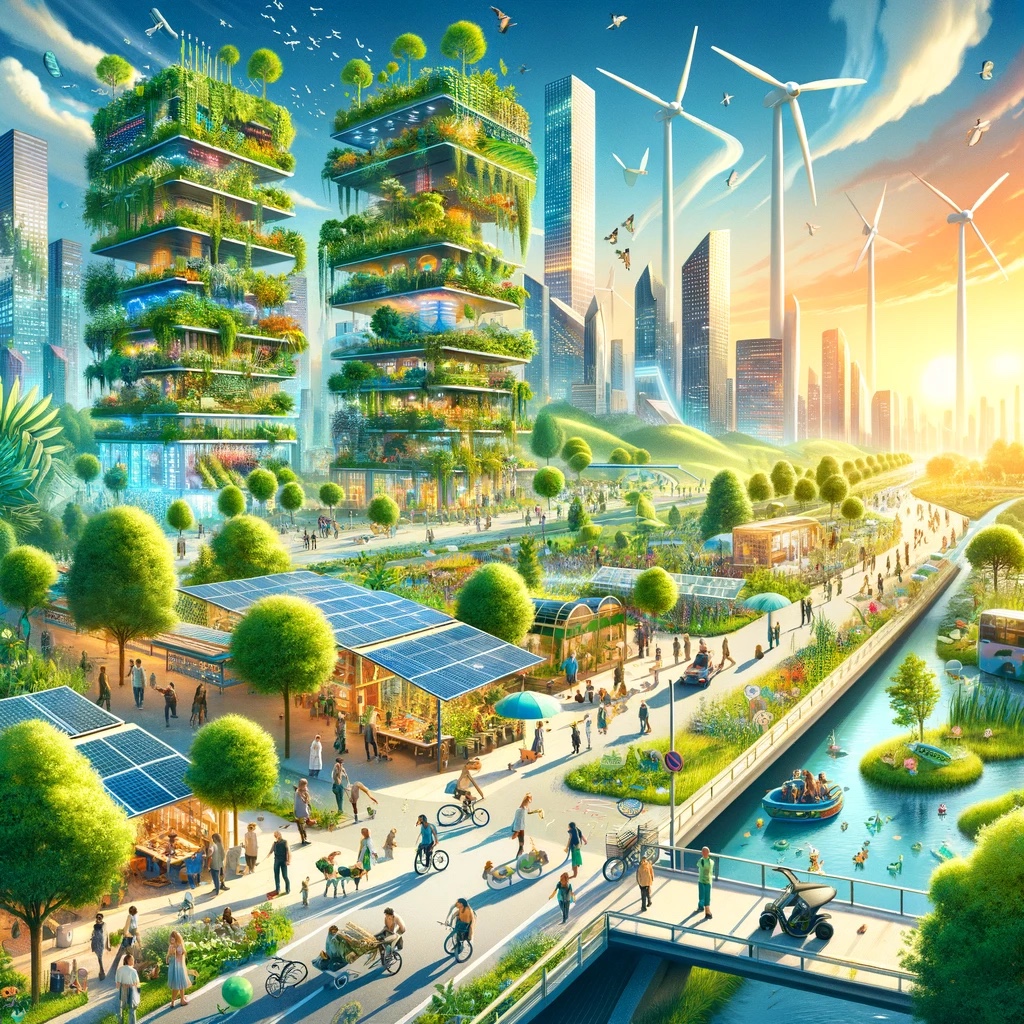
The next 30 years will bring transformative technological advancements that will be pivotal in combating climate change. From renewable energy and smart grids to sustainable agriculture and transportation innovations, these technologies will help reduce emissions, enhance efficiency, and build a more sustainable future. However, it is crucial to ensure that these advancements are accessible and equitably distributed to maximise their impact globally.


 The Duck Pond Splash Down
Leave a comment