What’s a job you would like to do for just one day?
Daily prompt
There are two jobs I would love to try for just one, day. However it is the skills and position in those jobs with the freedom to work without limits that would be most interesting. To do the job justice, one 24h-hour day would not be enough. So in this world of imagination, the ‘no-limits’ job would last as long as required. It’s not just about having a job for one day, but the freedom to explore potential.
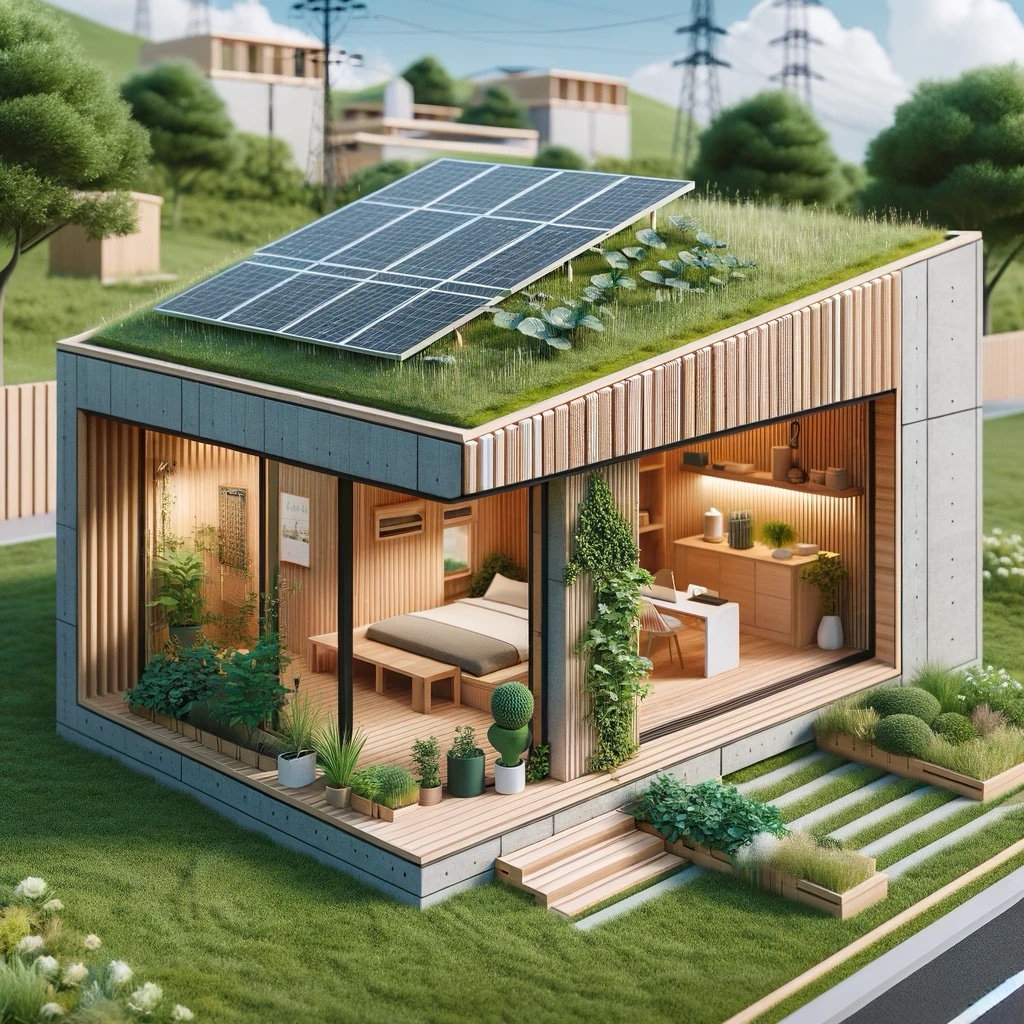
An architect, who designs off grid homes of the future
Being an architect who designs off-grid sustainable, self-supporting homes of the future would be a fascinating and challenging role that merges innovation, sustainability, and creativity.
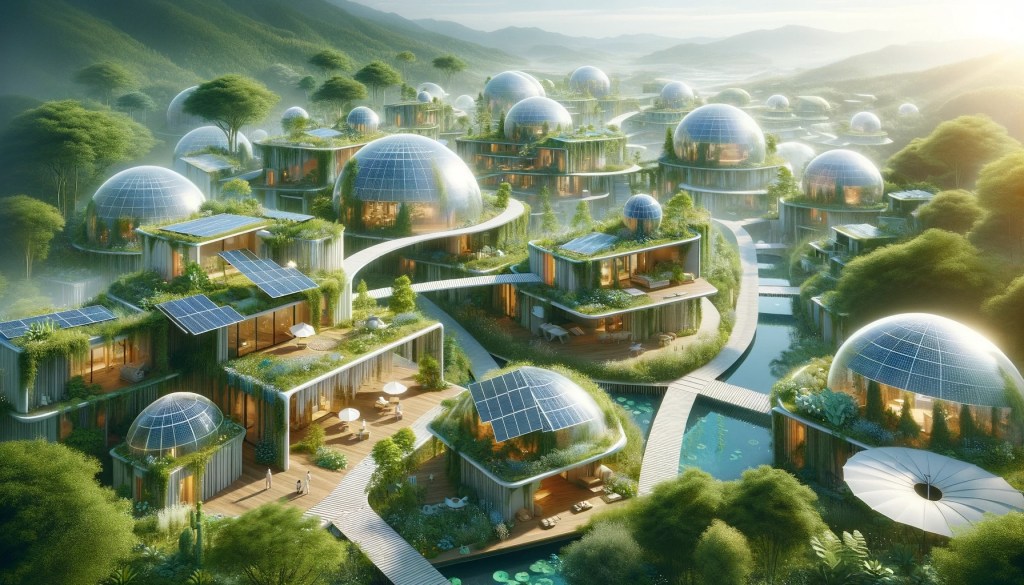
I would design self-supporting homes for small communities.
Here are some aspects of what this might entail:
- Innovation and Technology: I would likely focus on incorporating advanced technologies that enhance energy efficiency and sustainability. This includes solar panels, wind turbines, and innovative insulation materials. Designing systems for water collection and purification, and waste management would also be crucial.
- Sustainability Focus: A key part of my role would involve ensuring that the homes are built using sustainable materials that are both durable and environmentally friendly. I might also design homes to have a minimal ecological footprint, possibly even aiming for net-zero energy usage.
- Customization and Versatility: Each off-grid home could be tailored to its specific location and the unique needs of its occupants. This means considering local climate, terrain, and available resources, and potentially designing homes that are modular or easily adaptable to different environments.
- Collaboration and Research: Working closely with engineers, environmental scientists, and urban planners would be essential to address the multidisciplinary challenges of off-grid living. Continuous research into new materials, technologies, and methods would be a routine part of the job.
- Educational and Ethical Responsibility: As an architect in this field, I would not only design homes but also educate clients and communities about sustainable living practices. This role likely comes with a responsibility to promote sustainability and influence how people interact with their environment.
- Artistic and Cultural Sensitivity: Designs would need to be not only functional but also aesthetically pleasing and culturally appropriate, considering the traditions and values of the area or the community where the home is built.
Overall, being an architect focused on the future of off-grid homes would be about pioneering designs that balance human needs with ecological responsibility, potentially transforming how society thinks about housing and living sustainably.
It would be fun to find a location suitable for such homes in the UK and start a small community of 50 homes, with 1 acre each, for all ages and abilities with a central hub that serves all the needs of the community.
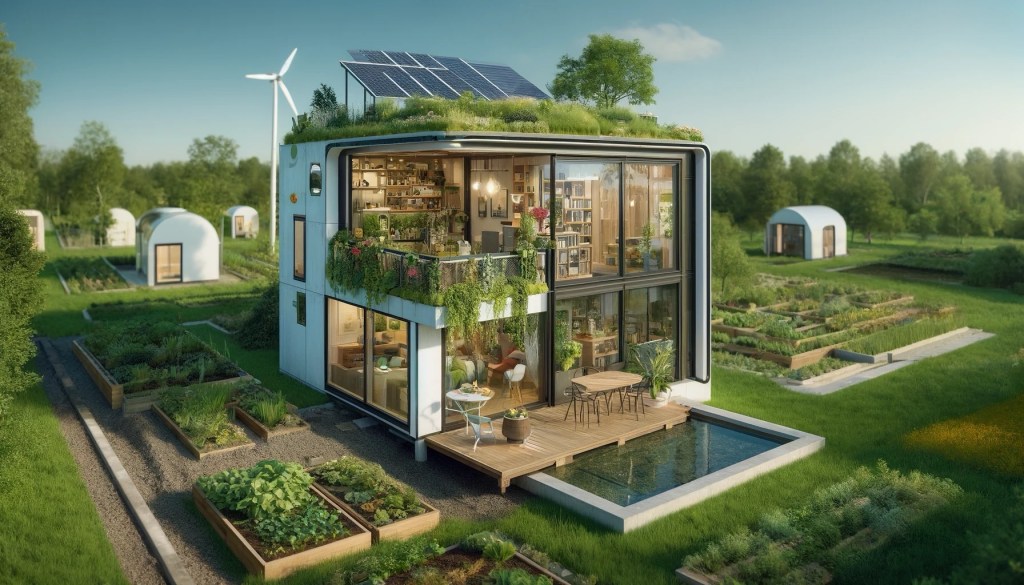
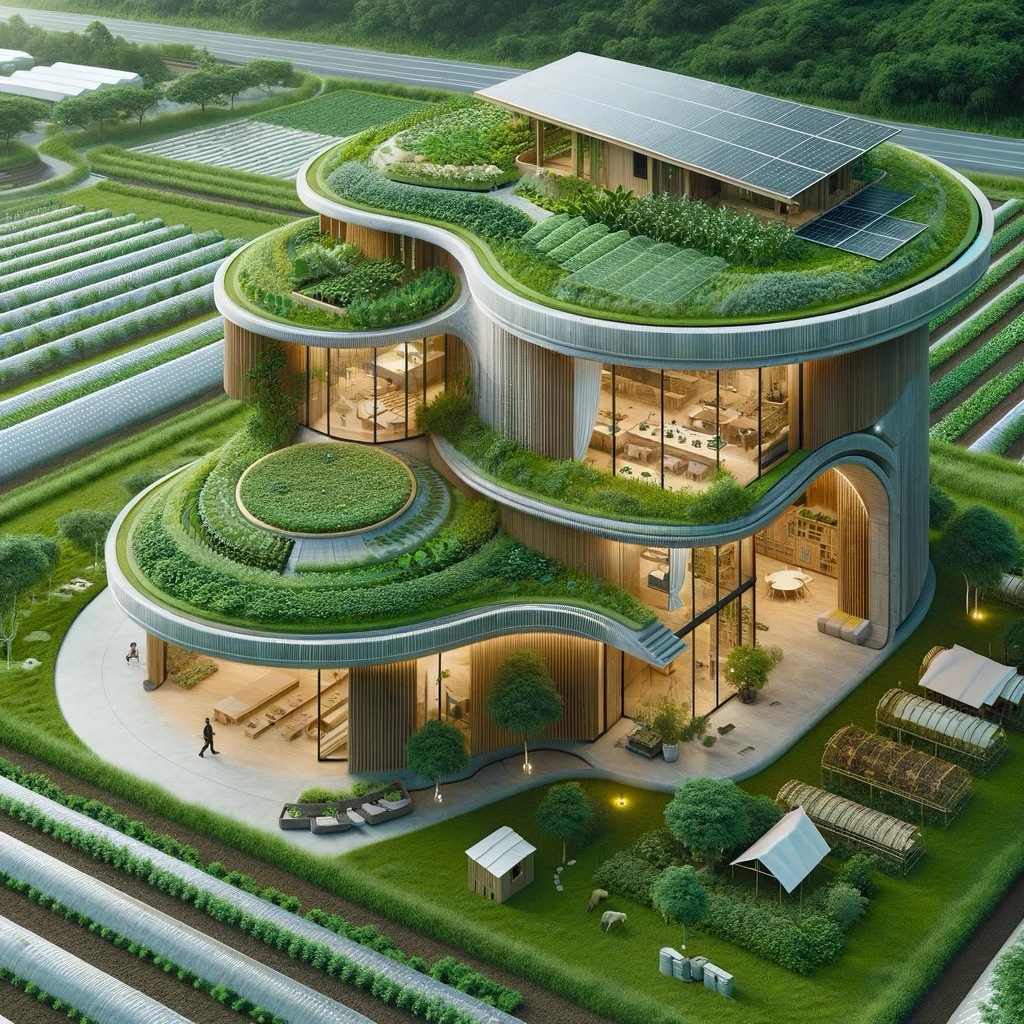
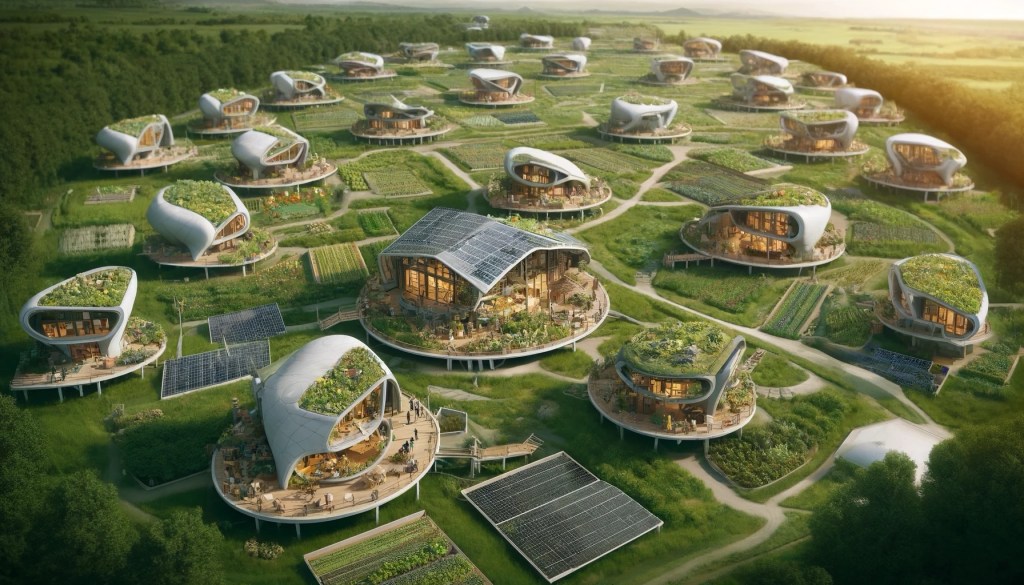
Creating a self-sufficient, off-grid, sustainable home for a small family involves integrating various features that promote energy efficiency, reduce environmental impact, and ensure long-term sustainability. Here are some ideas to consider:
- Solar Power System: Install solar panels to generate electricity. Include a battery storage system to store excess power for use during non-sunny periods.
- Rainwater Harvesting: Set up a system to collect and store rainwater for household use, irrigation, and possibly for small-scale aquaculture.
- Greywater Recycling: Implement a greywater system to recycle water from showers, sinks, and laundry, using it for toilet flushing and garden irrigation.
- Composting Toilets: Consider composting toilets to reduce water usage and produce compost that can be used to enrich the soil in gardens.
- Green Roof and Walls: Install a green roof and/or living walls to provide natural insulation, reduce runoff, and improve air quality.
- Geothermal Heating and Cooling: Utilize geothermal heat pumps to exploit the constant temperature of the ground below the home for heating in the winter and cooling in the summer.
- Wind Turbines: If the location is conducive, small-scale wind turbines can supplement solar power, especially in areas with consistent wind patterns.
- Passive Solar Design: Design the home to take advantage of natural light and heat from the sun. Large south-facing windows can help heat the home in the winter, while overhangs and strategic landscaping provide shade in the summer.
- Energy-Efficient Appliances: Use low-energy appliances to reduce electricity consumption, including LED lighting, energy-efficient refrigerators, and water-saving washing machines.
- Insulation and Materials: Use high-quality, sustainable materials for building and insulating the home to minimize heat loss and gain. Materials like reclaimed wood, bamboo, and recycled steel are environmentally friendly options.
- Edible Landscaping and Permaculture: Design the landscaping to include edible plants, fruit trees, and vegetables. Use permaculture principles to create a garden that mimics natural ecosystems, providing food while maintaining soil health.
- Community Integration: If possible, collaborate with nearby homes to create a shared space for larger scale projects like community gardens, tool libraries, or even shared renewable energy systems.
These ideas can help a small family build a home that is not only self-sufficient and sustainable but also comfortable and conducive to a healthy, eco-friendly lifestyle.
See also
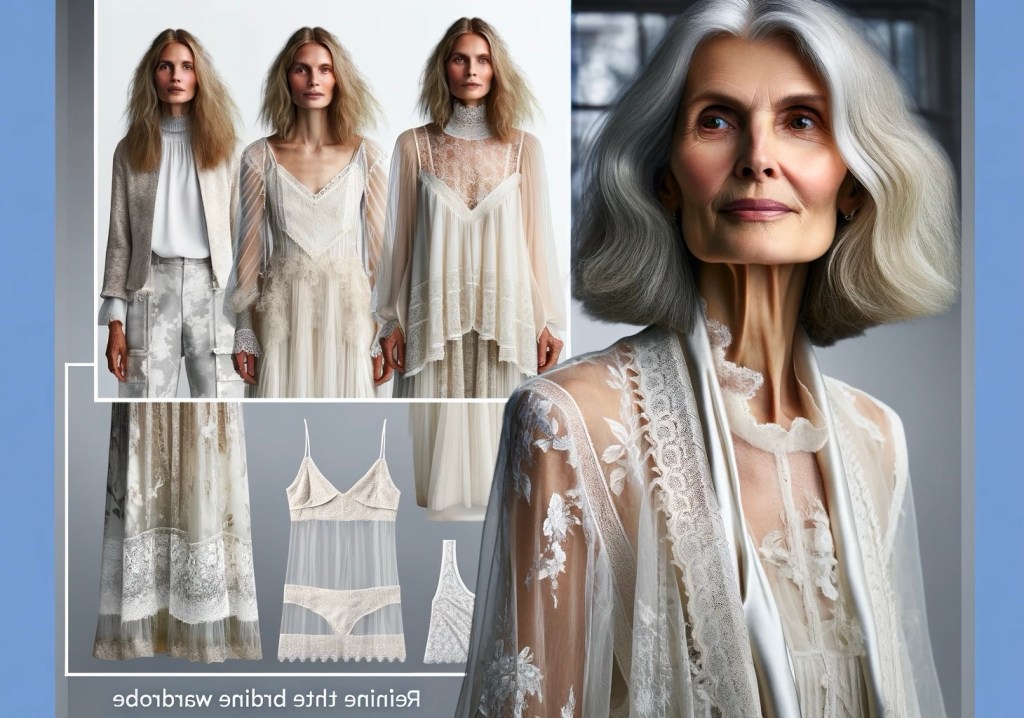
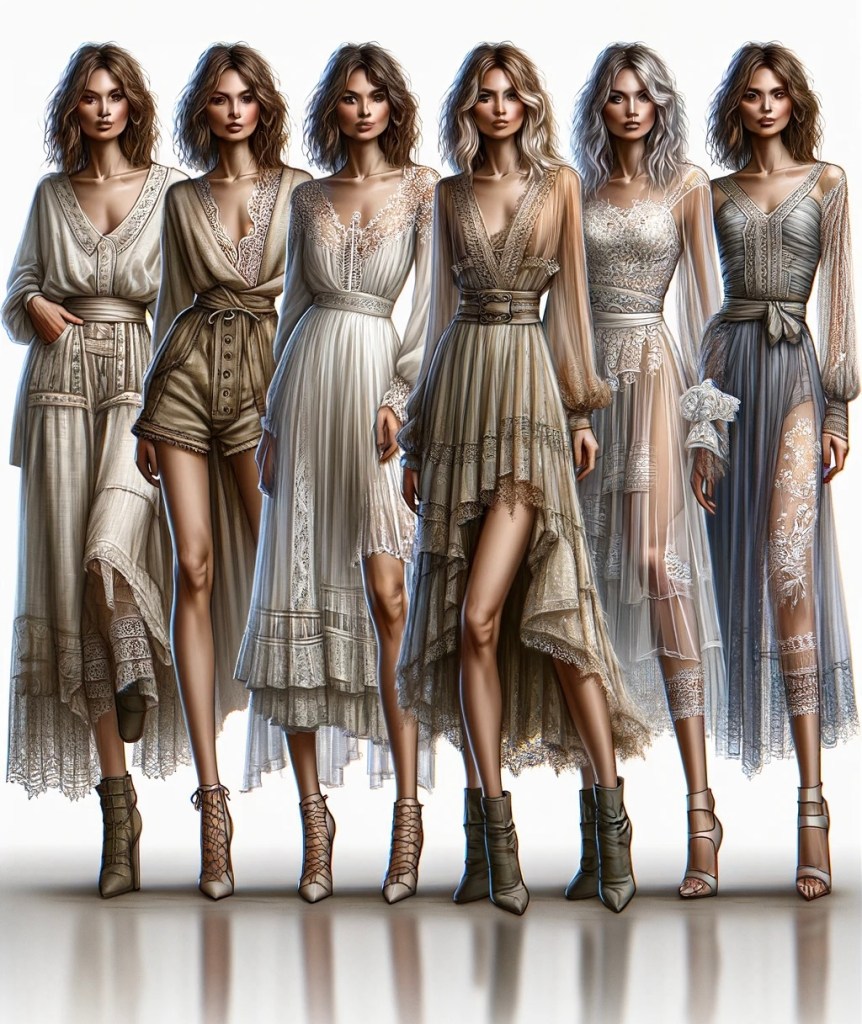
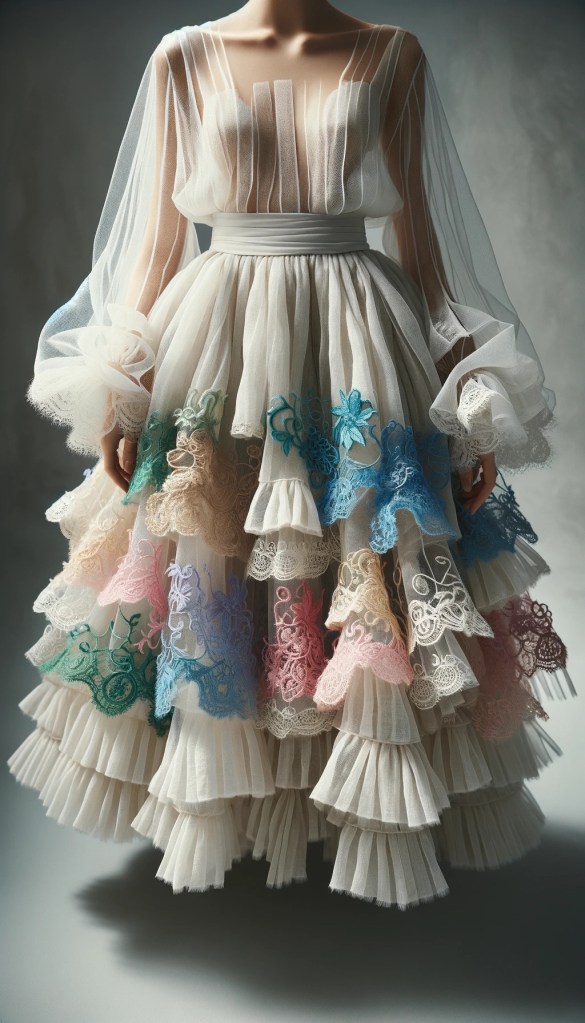
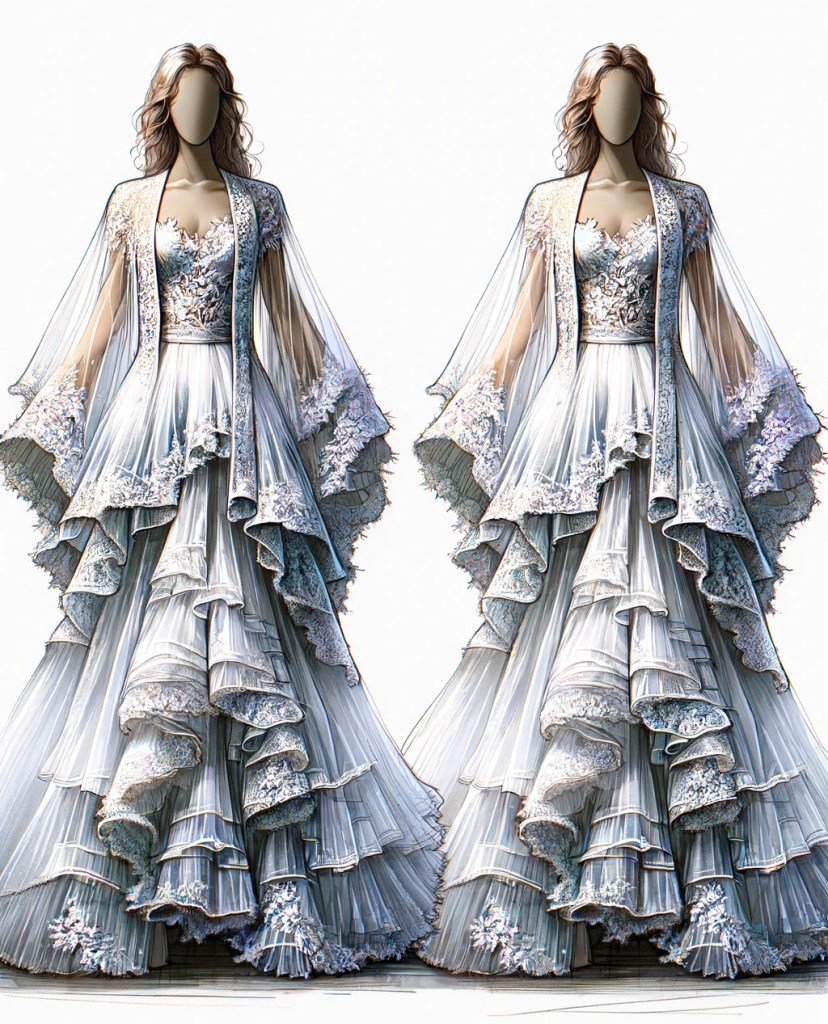
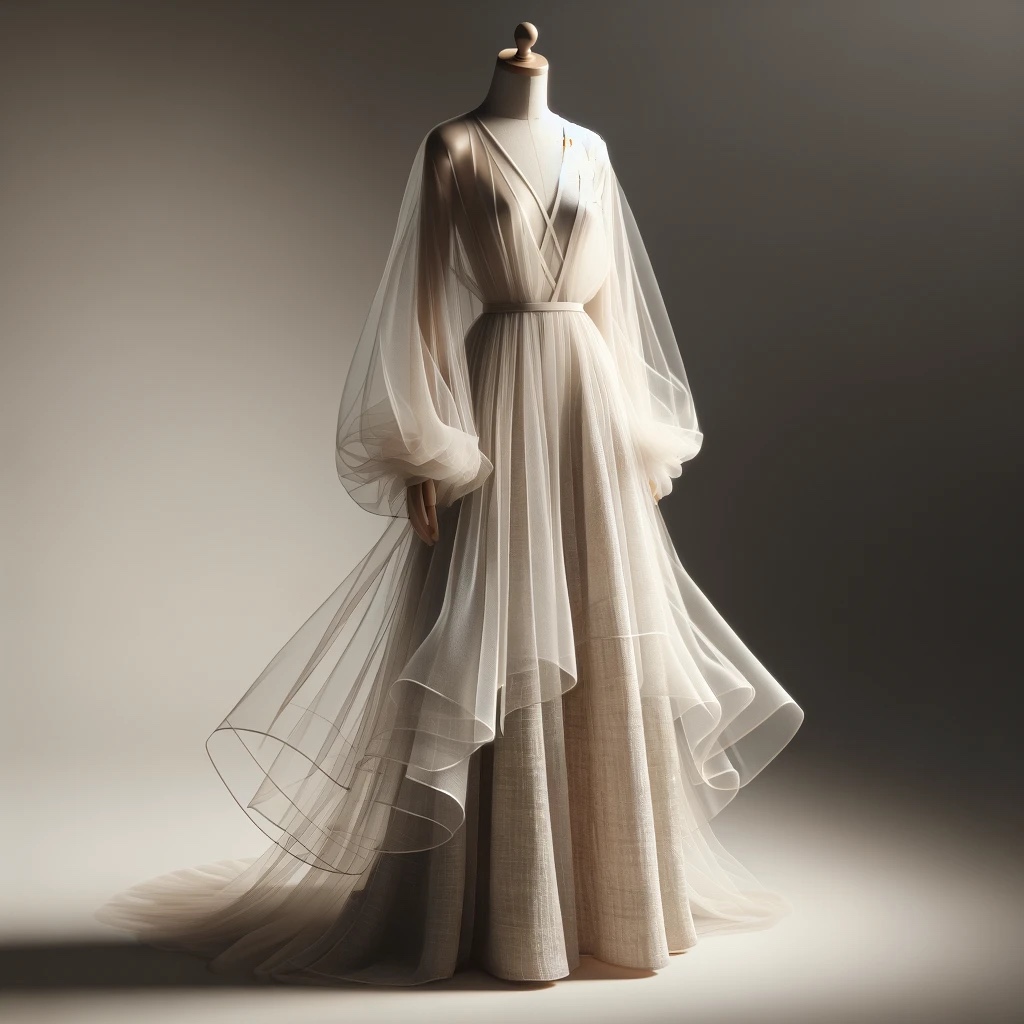
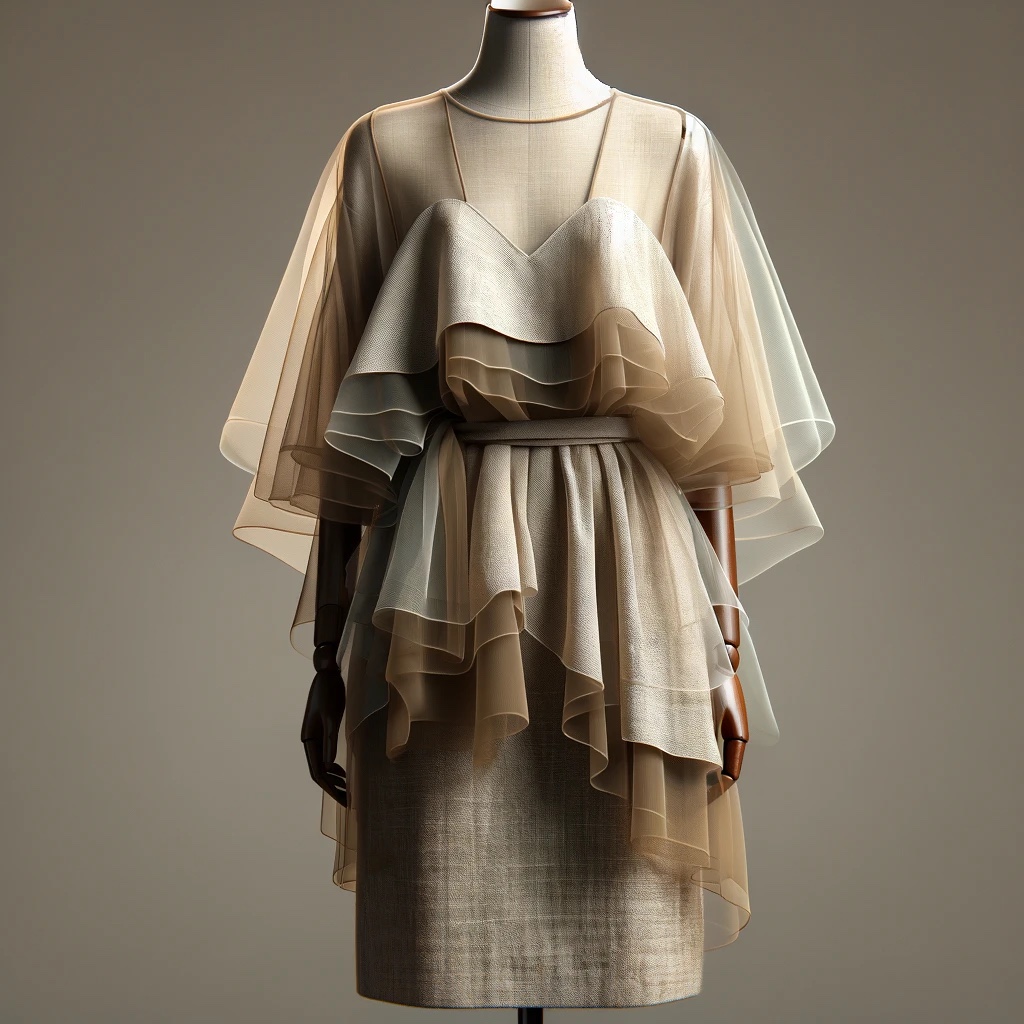
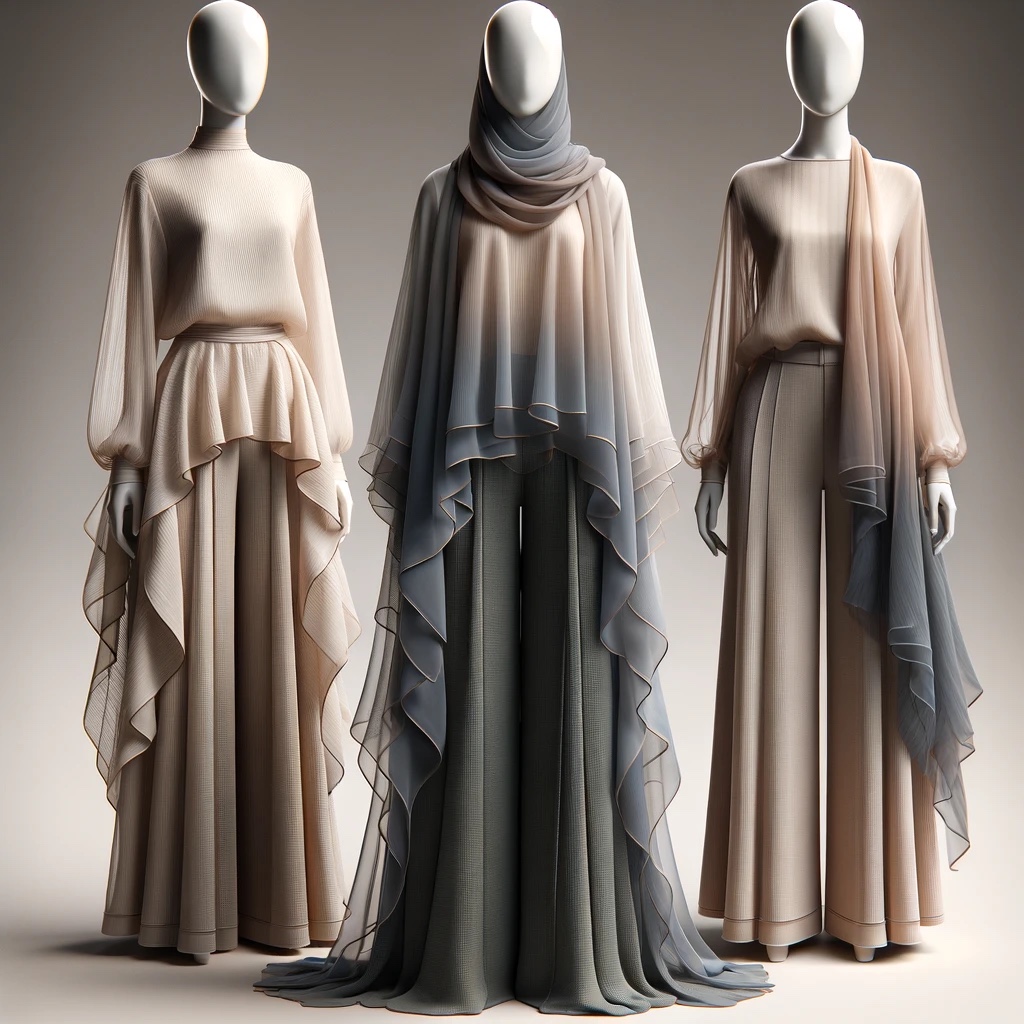
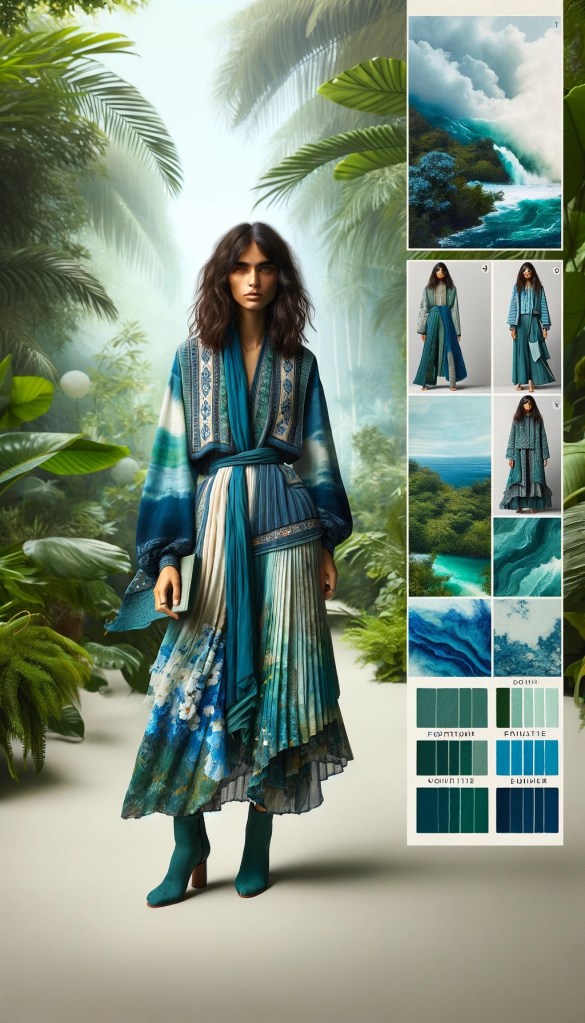
A fabric & fashion designer whose designs & fabrics are sustainable
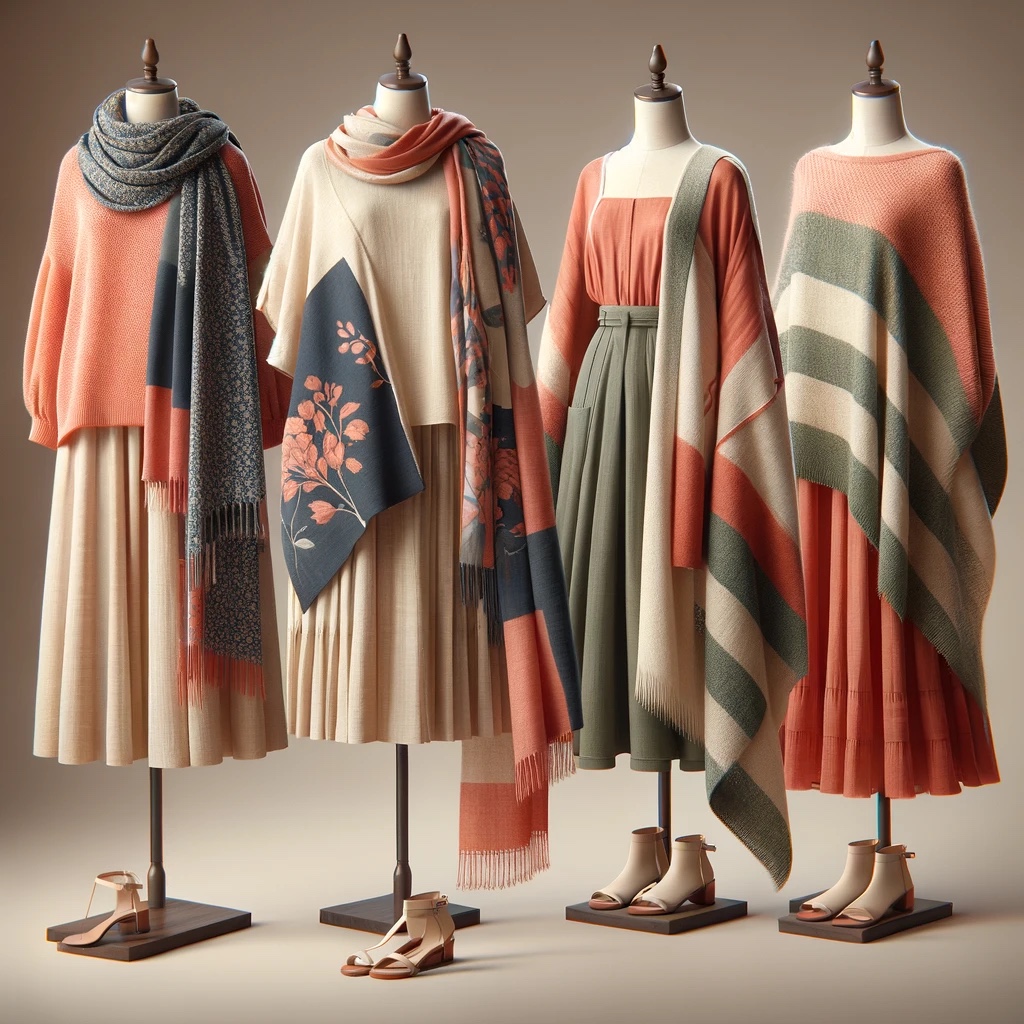
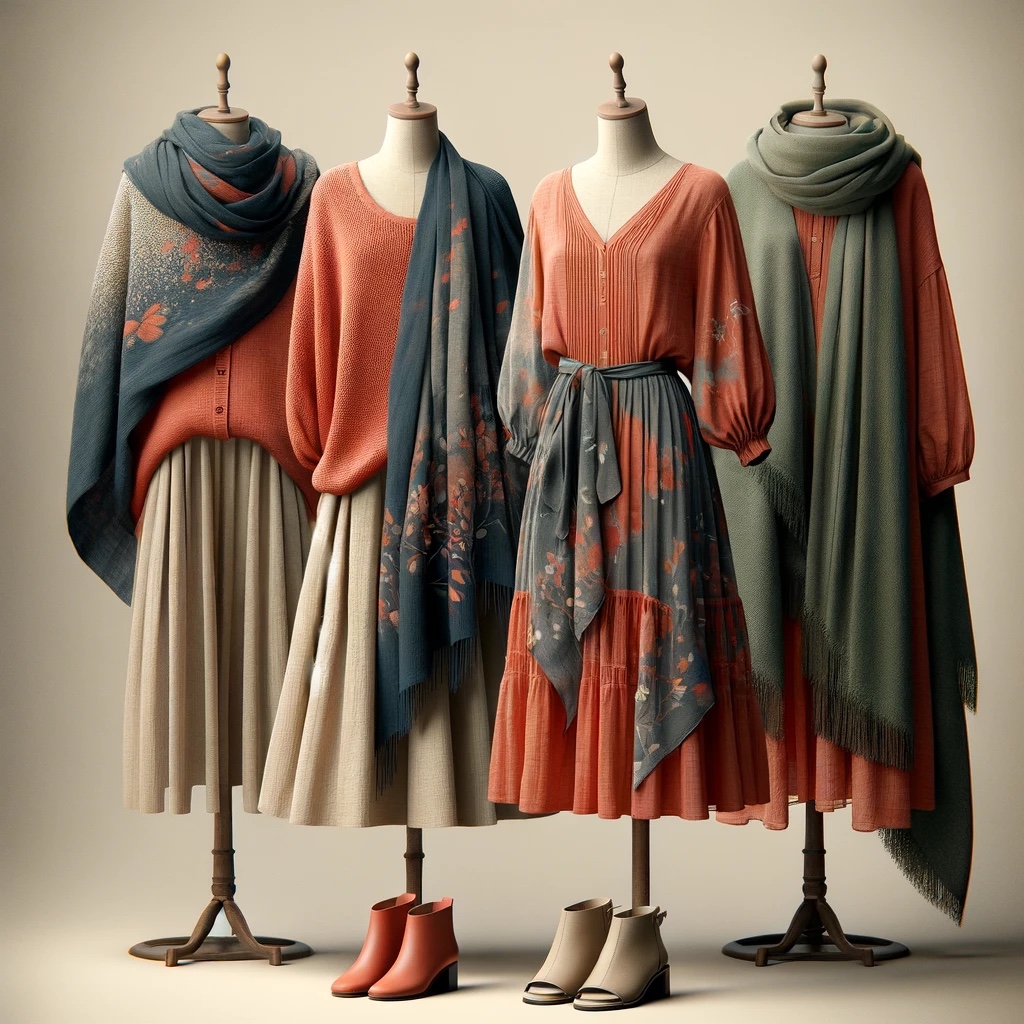
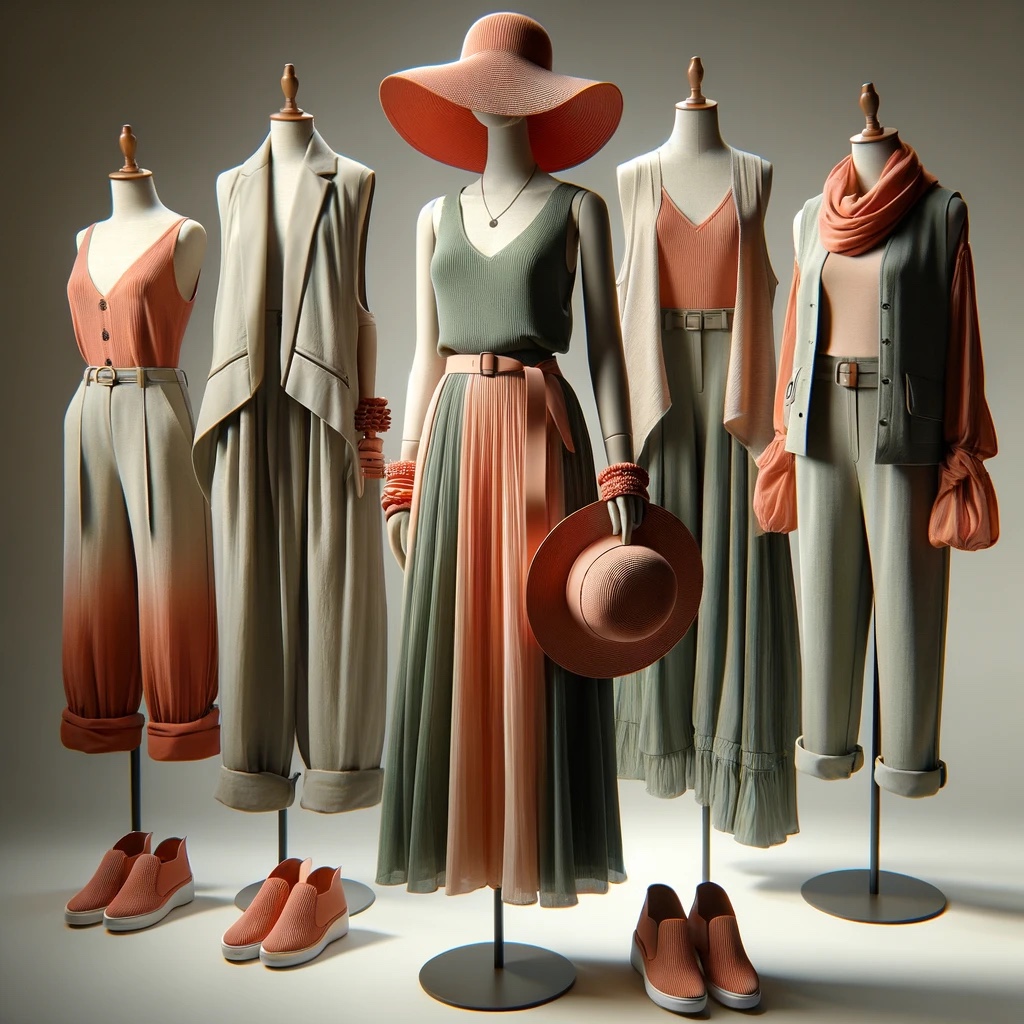
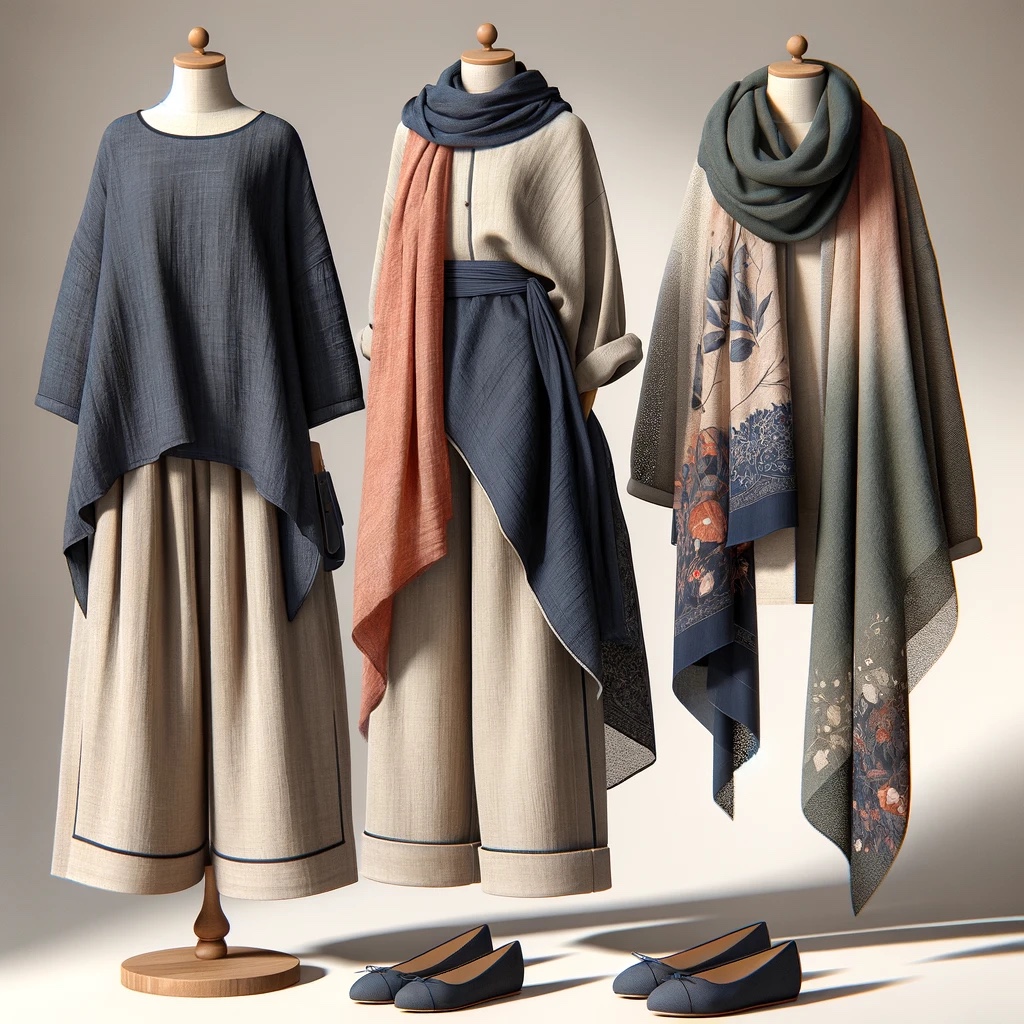
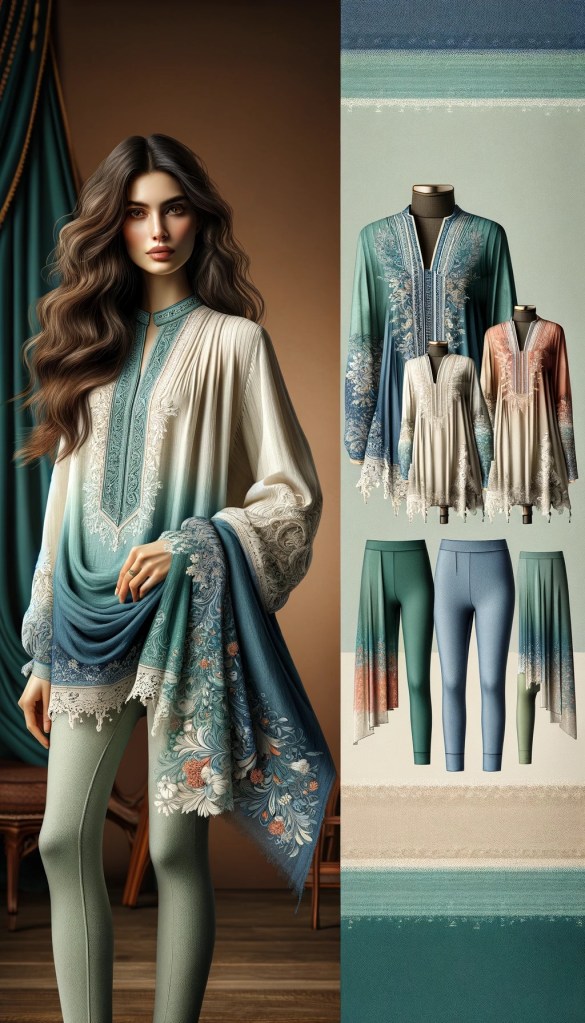
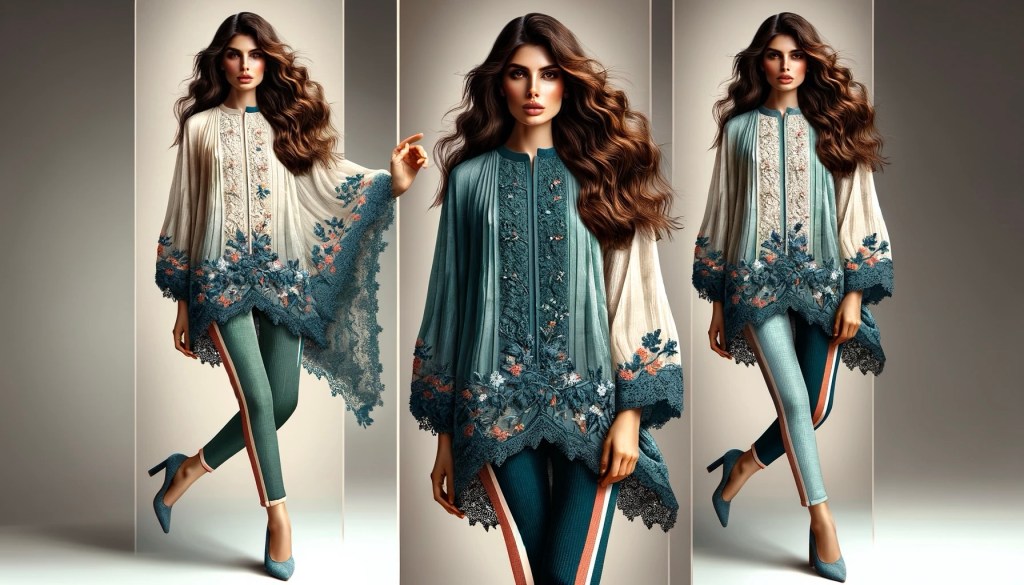
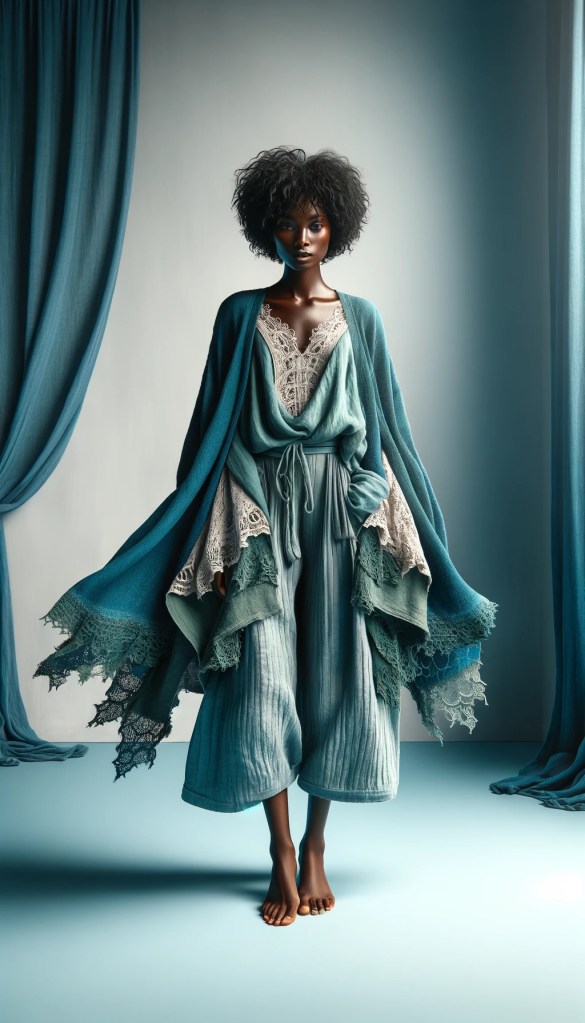
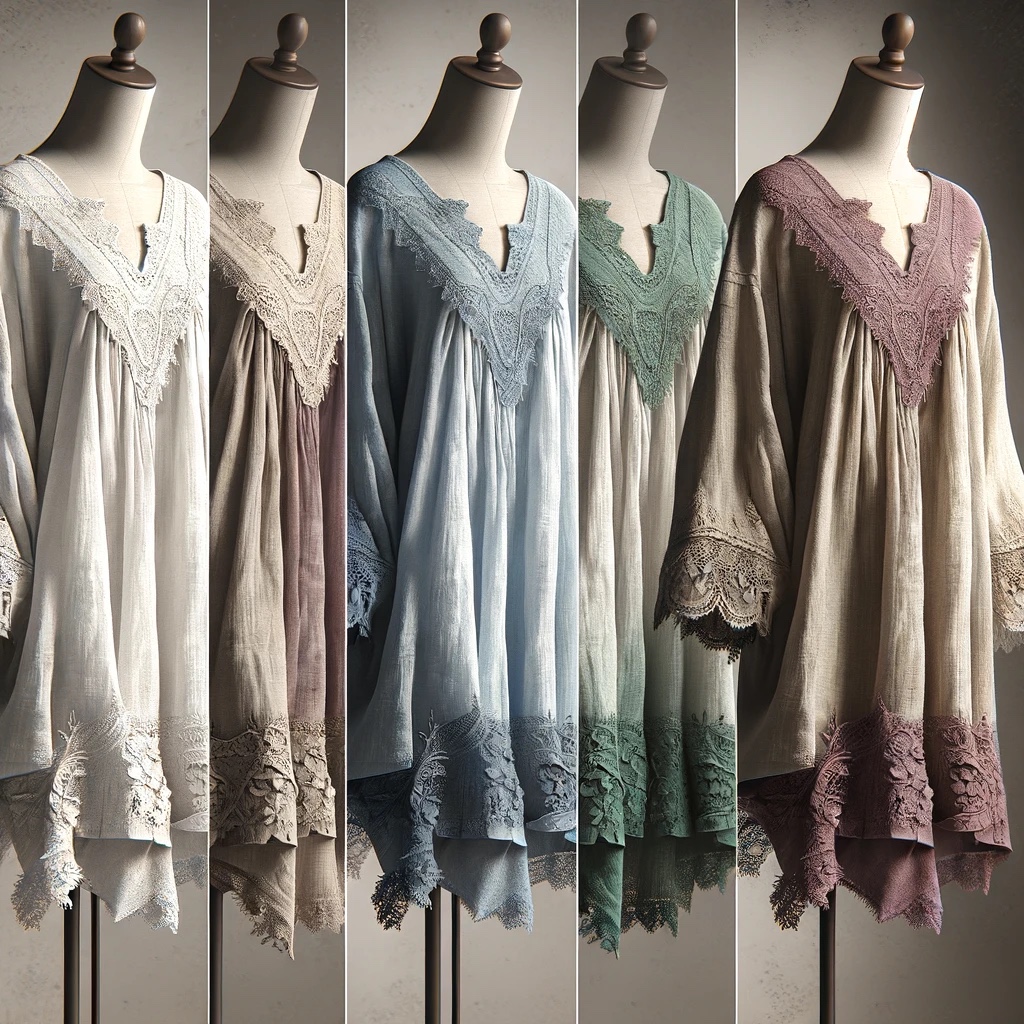
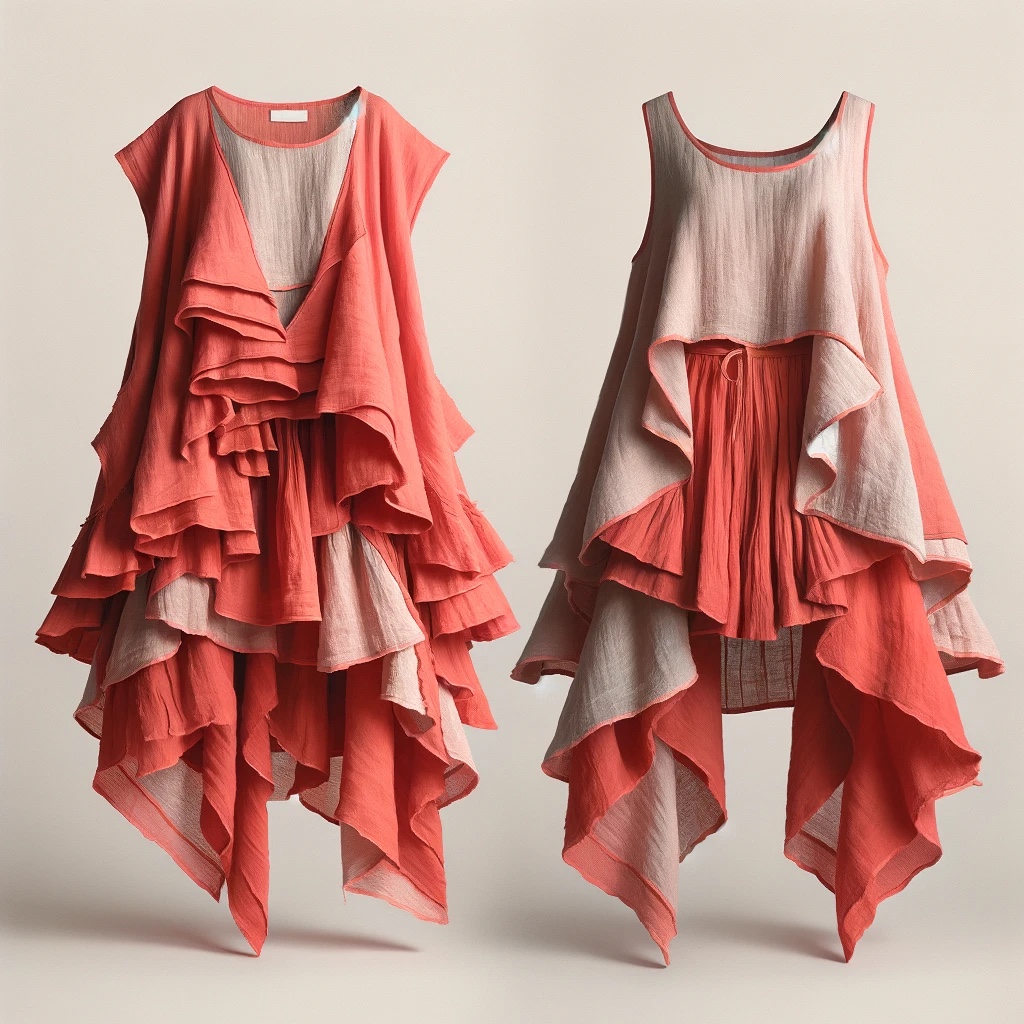
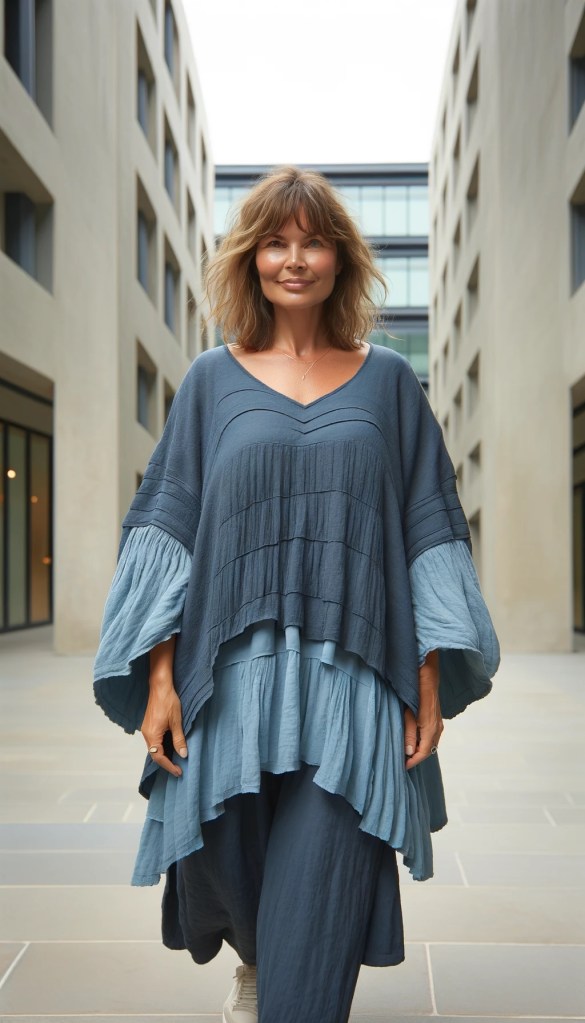
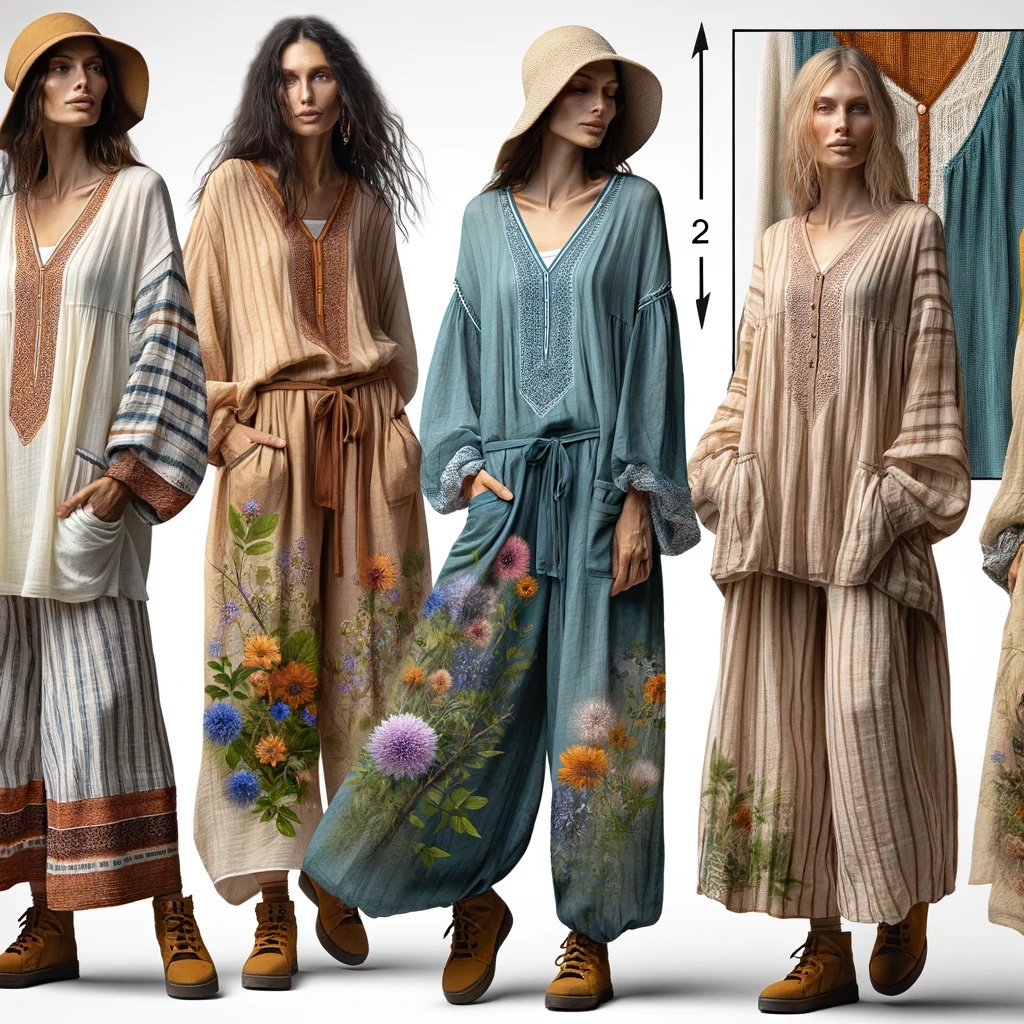
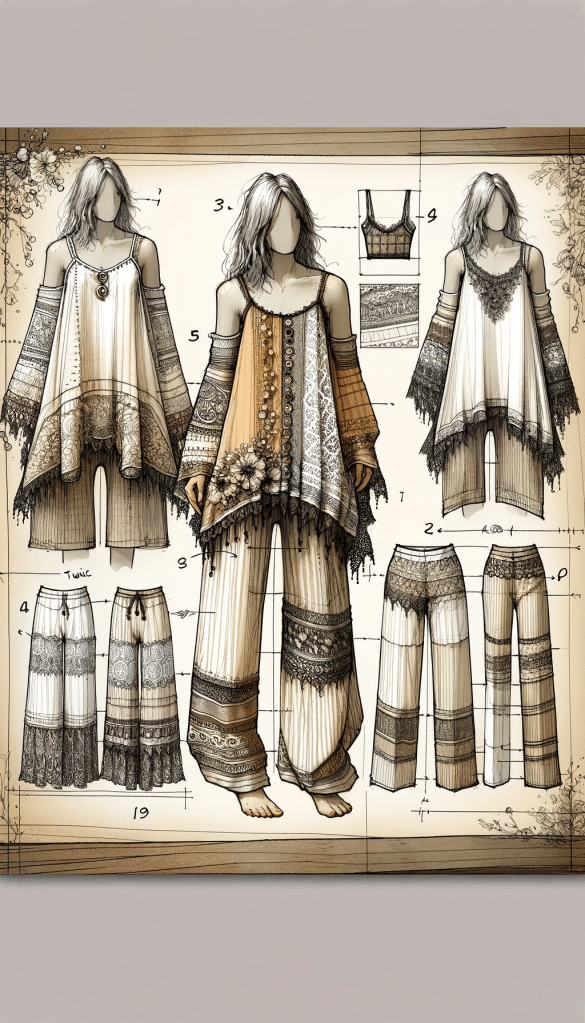
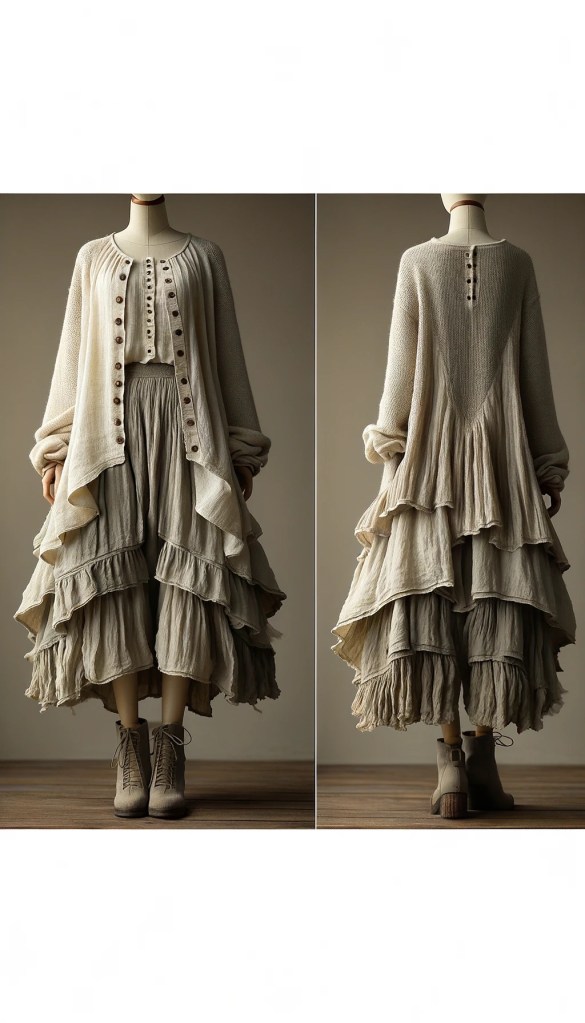
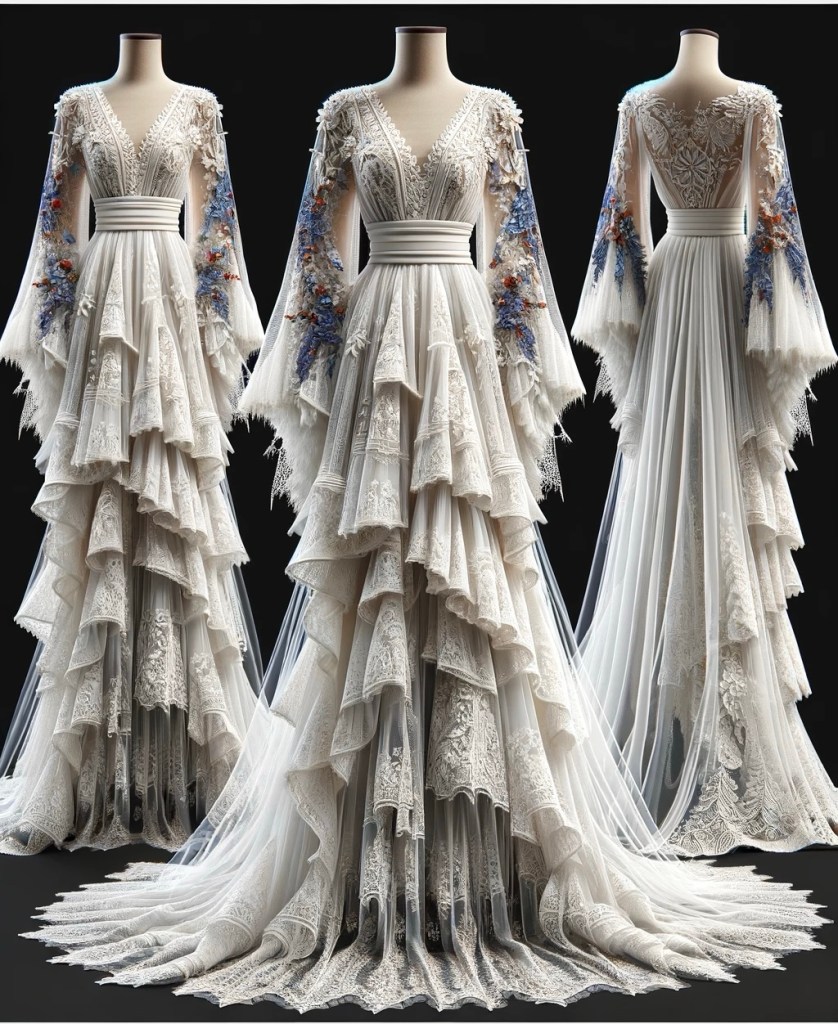
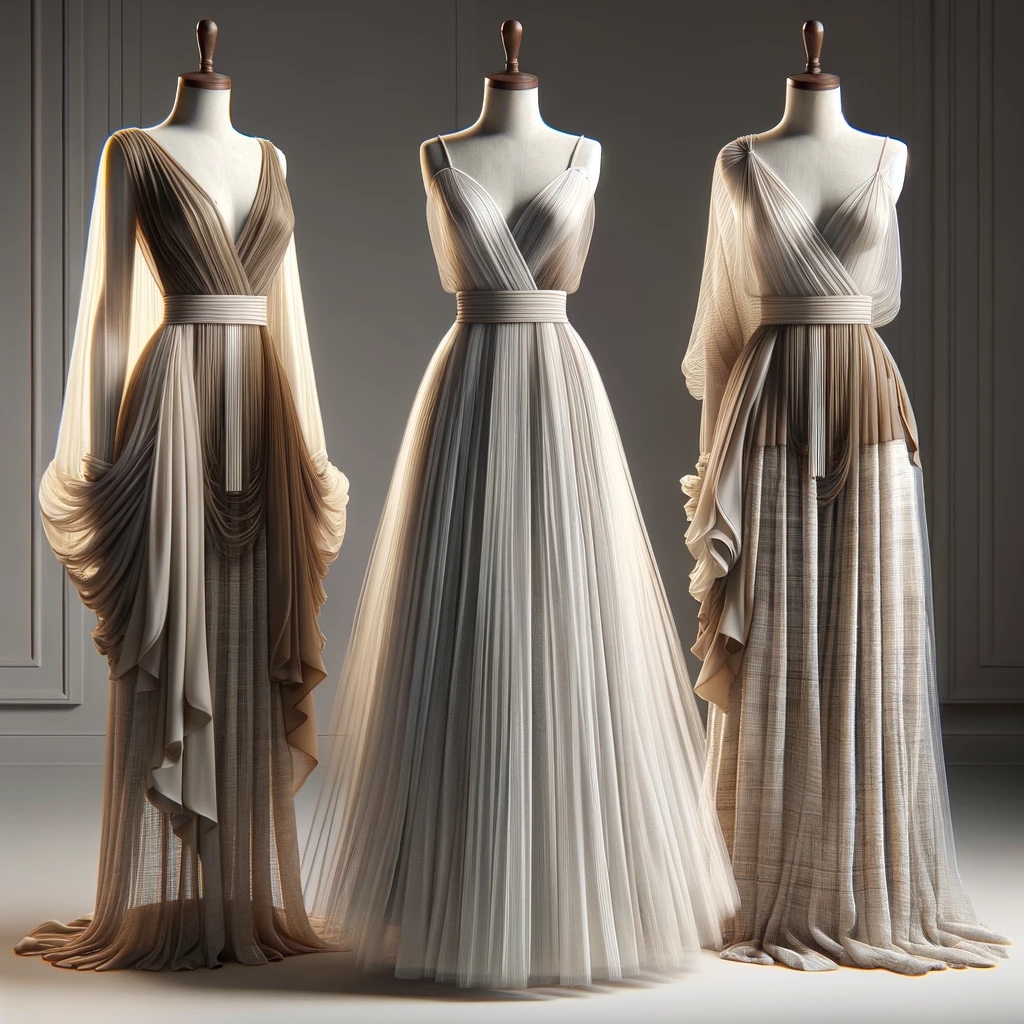
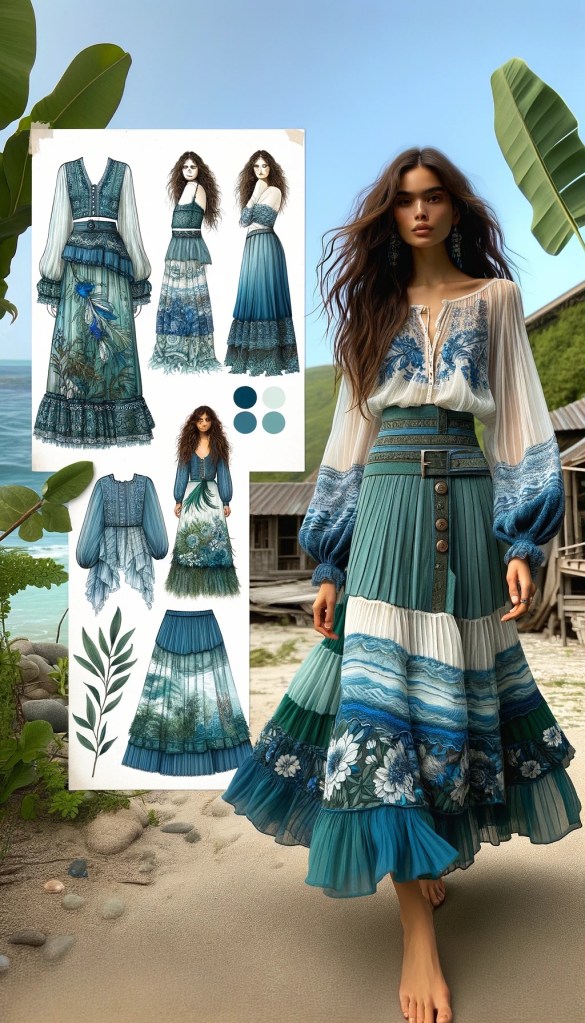
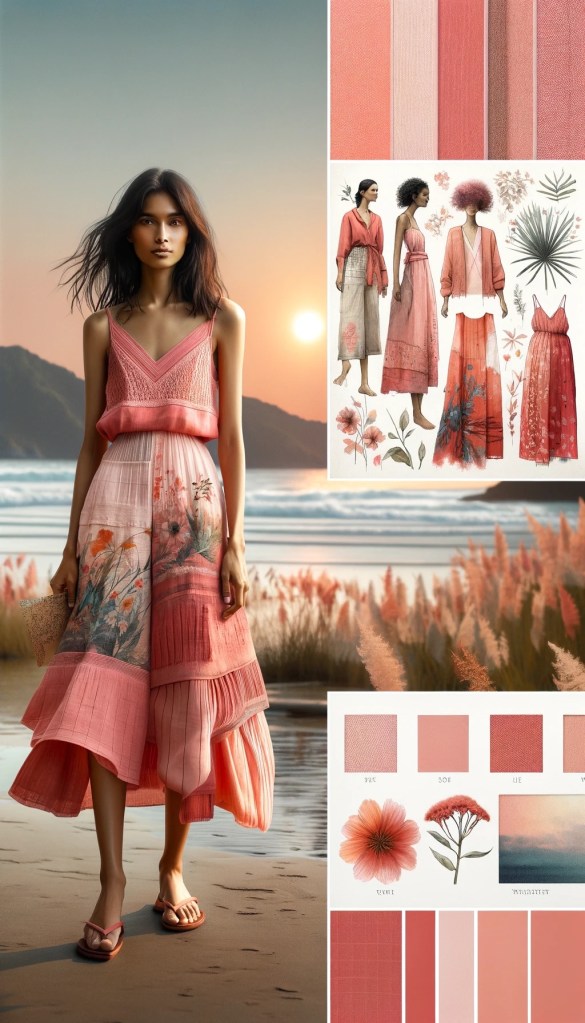
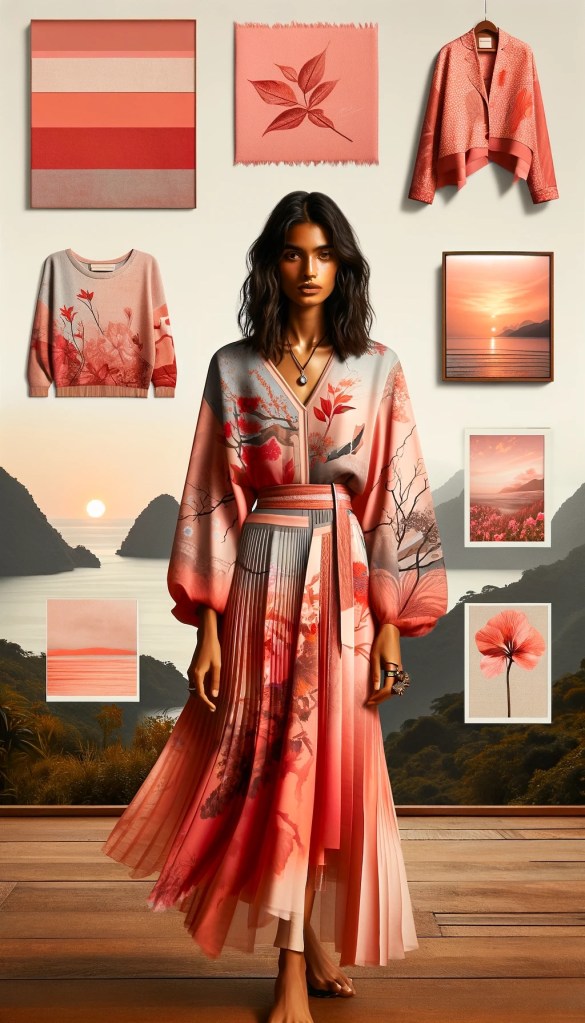
Working with natural fabrics, creating unique clothes for the future with sustainable fabrics that are natural plant-based and locally made as part of a self-supporting community. The main fabric would be a new innovative fabric from linen that is soft and silk-like.
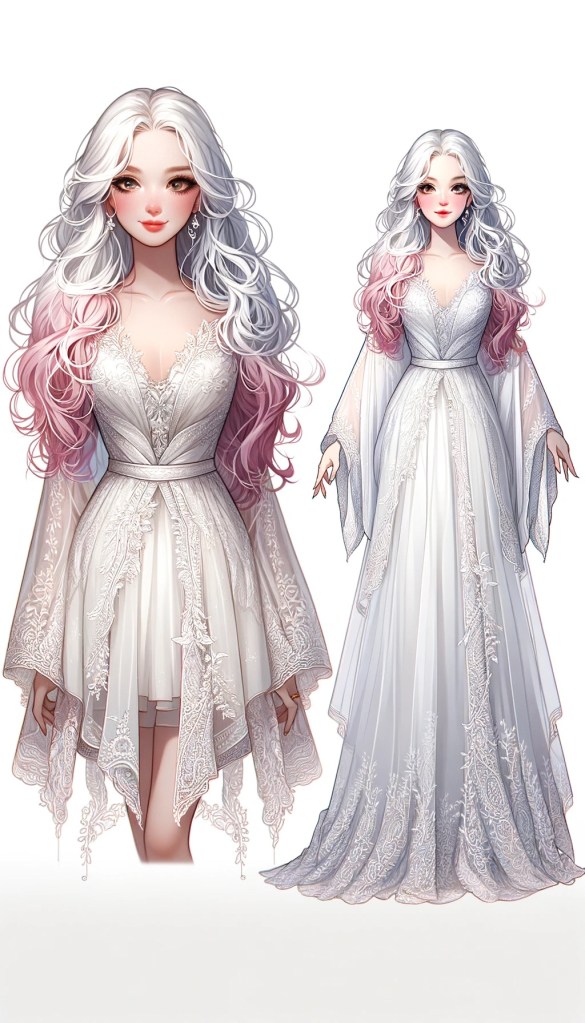
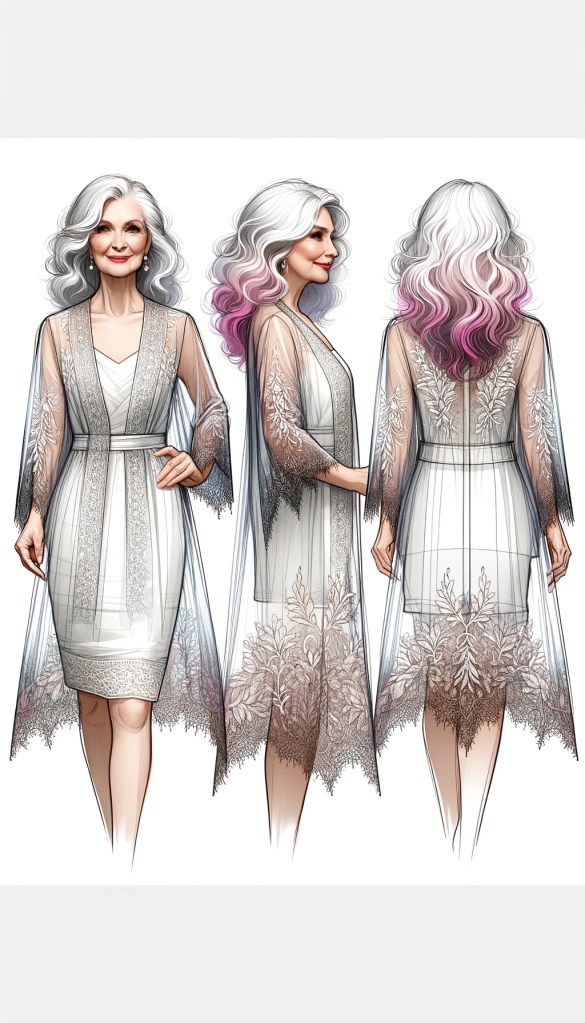
I would design sustainable fabrics and clothes for the future.
Working as a fabric and fashion designer with a focus on sustainable, natural fabrics within a self-supporting community would be a deeply creative and fulfilling profession, emphasizing both artistic expression and environmental responsibility.
Here’s what this experience might involve:
- Innovation and Material Science: I would be at the forefront of textile innovation, possibly working with researchers to develop a new type of linen that is as soft and luxurious as silk. This would involve exploring and refining the properties of linen to enhance its texture, durability, and drape.
- Sustainability and Ethics: A core aspect of my work would focus on sustainability. This means selecting materials that are not only plant-based and natural but also sourced in ways that support local agriculture and minimize environmental impact. I would likely be involved in every step of the supply chain, from the growth of the fibers to the final creation of the garments, ensuring ethical practices throughout.
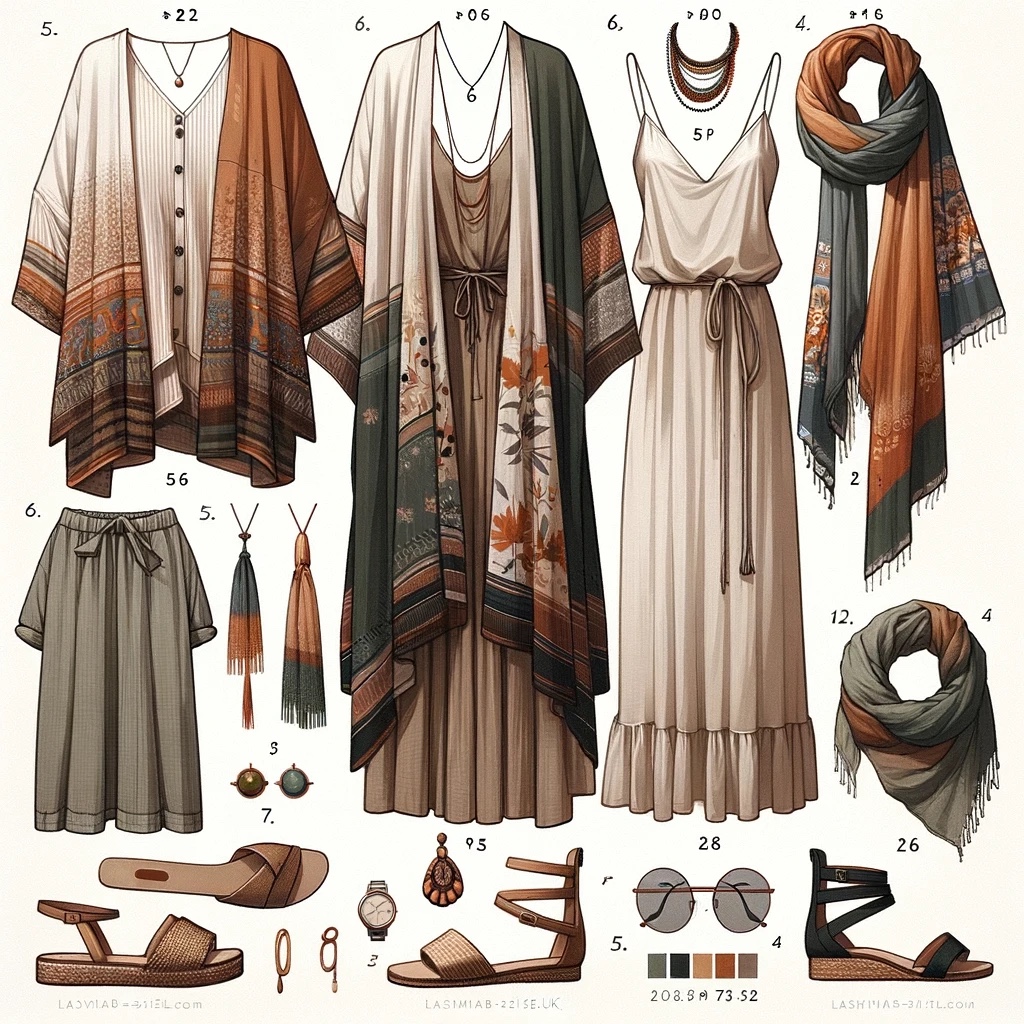
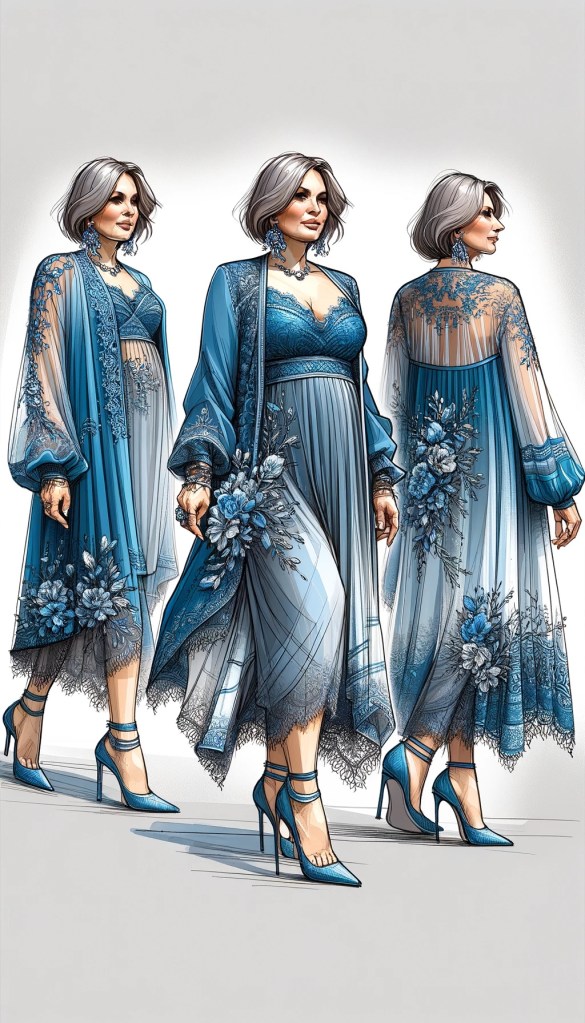
- Design and Artistry: As a designer, I would blend traditional techniques with modern aesthetics to create unique garments that reflect both functional and artistic qualities. My designs would cater to a market that values individuality and craftsmanship over mass-produced fashion.
- Community Collaboration: Working within a self-supporting community, collaboration would be key. I would interact closely with local farmers, artisans, and other designers to create a cohesive and supportive creative environment. This community-oriented approach would likely influence my designs, imbuing them with a sense of place and cultural narrative.
- Education and Advocacy: Part of my role would involve educating your community and consumers about the benefits of sustainable fashion and the specific advantages of using locally made, plant-based fabrics. I might also advocate for broader adoption of sustainable practices in the fashion industry.
- Challenges and Problem Solving: Facing challenges such as balancing the cost of sustainable production, meeting the functional needs of fabric performance, and staying innovative while adhering to ethical standards would be part of my daily work. Solving these problems creatively would be both a challenge and a reward.
- Personal Satisfaction and Impact: Ultimately, my work would contribute to a more sustainable world, providing a sense of purpose and fulfillment. My role would not just be about making clothes but about influencing how people think about what they wear and the impact it has on the planet.
This career would blend creativity, sustainability, and community engagement, making it an inspiring example of how fashion can play a role in building a better future.


Fibres for new fabrics
Plant-based fibers offer a range of possibilities for developing innovative and comfortable fabrics.
Here are some notable plant fibers that could be utilized and potentially developed further for creating such textiles:
- Bamboo: Known for its softness and breathability, bamboo fiber is also antimicrobial and highly absorbent. It can be processed in a more environmentally friendly manner to retain its natural properties while being gentle on the skin.
- Hemp: Hemp is durable, strong, and grows quickly with little water and no pesticides. It softens with each wash and wear, making it more comfortable over time. Hemp fibers can be blended with other materials to enhance softness and flexibility.
- Nettle: While less common, stinging nettle fibers offer durability and are naturally resistant to bacteria. Nettle can be mixed with other fibers to create a fabric that is both comfortable and robust.
- Flax (Linen): Linen is appreciated for its excellent heat conductivity, keeping the wearer cool in hot weather. Innovations could focus on enhancing its softness and reducing its tendency to wrinkle while maintaining its durability and moisture-wicking properties.
- Banana: Fibers from banana plants, particularly from the pseudostems, can be used to make textiles that are silky and lightweight. Further development could improve their wearability and strength, making them more suitable for everyday clothing.
- Pineapple (Piñatex): Made from pineapple leaf fibers, Piñatex is already used as a sustainable alternative to leather. For comfort, research could explore softening treatments and how to increase its breathability.
- Corn Fiber: Corn fiber, or PLA (polylactic acid), is derived from fermented plant starch (usually corn). It is biodegradable and can be used to produce eco-friendly textiles. Enhancements could aim at improving its durability and comfort for long-term wear.
- Lyocell (from Eucalyptus): Although already known for its softness, lyocell could see advancements in its antibacterial properties and moisture management, making it even more suitable for sensitive skin and active wear.
- Ramie: Known for its ability to hold shape and reduce wrinkling, ramie is one of the strongest natural fibers. It is commonly used in blends to add strength and shape retention to garments.
- Soybean Fiber: This is a soft, smooth, and light fiber, often referred to as “vegetable cashmere.” It can be processed to enhance its inherent qualities, such as UV resistance and moisture absorbency, while being gentle on the skin.
Research and development in the processing methods and blending of these fibers could lead to fabrics that are not only environmentally sustainable but also provide enhanced comfort, durability, and suitability for various clothing applications.
Fibre Blends
Mixing different plant-based fibers can create sustainable fabrics with enhanced properties, making them suitable for various applications while maintaining environmental friendliness. Here are some ideas for innovative blends using plant-based fibers:
1. Bamboo and Cotton Blend:
- Properties: This blend would combine the softness and moisture-wicking abilities of bamboo with the durability and comfort of cotton. It could be ideal for everyday wear, including undergarments and activewear.
- Innovation: Treat the bamboo to retain its antibacterial properties longer, enhancing the fabric’s suitability for active and daily wear.
2. Hemp and Linen Blend:
- Properties: Both hemp and linen are durable and breathable. Combining them would result in a fabric that softens over time, providing durability with increased comfort and less environmental impact than pure cotton.
- Innovation: Focus on a softening process that enhances the fabric’s feel without extensive use of chemicals, maintaining the natural properties.
3. Nettle and Wool Blend:
- Properties: Nettle fibers mixed with wool could create a fabric that’s warm yet breathable, suitable for cooler weather garments. Nettle adds strength and microbial resistance, while wool provides warmth and softness.
- Innovation: Develop a mechanical softening technique to enhance the hand feel of nettle fibers, making the blend more appealing for clothing.
4. Ramie and Lyocell Blend:
- Properties: Combining ramie’s strength and shape retention with lyocell’s smoothness and moisture management could produce a luxurious, draping fabric that’s great for more formal wear and comfortable casuals.
- Innovation: Enhance lyocell’s production to incorporate recycled solvents, making the process even more sustainable.
5. Piñatex and Cork Blend:
- Properties: This combination could create a unique, sustainable alternative to leather, suitable for fashion accessories and upholstery. The pineapple fiber provides texture and durability, while cork adds a unique aesthetic and additional softness.
- Innovation: Develop a composite material that integrates these fibers seamlessly, focusing on durability and water resistance.
6. Banana and Silk Blend:
- Properties: Silk adds a luxurious feel to the strong, lightweight banana fibers, creating a fabric ideal for high-end fashion items that are both eco-friendly and elegant.
- Innovation: Implement enzymatic treatments to soften banana fibers, allowing them to blend more smoothly with silk.
7. Soybean Fiber and Organic Cotton Blend:
- Properties: This blend would be ultra-soft, breathable, and gentle on the skin, making it perfect for baby clothing and sensitive skin apparel.
- Innovation: Use advanced bio-based dyes to add vibrant colors without compromising the fabric’s eco-friendly properties.
8. Corn Fiber and Recycled Polyester Blend:
- Properties: Combining biodegradable corn fiber with recycled polyester can yield a fabric that’s both sustainable and durable, suitable for outdoor gear and performance wear.
- Innovation: Develop a closed-loop recycling process for this blend to further reduce the carbon footprint and resource usage.
By experimenting with these blends, manufacturers can offer textiles that not only meet diverse consumer needs but also push the boundaries of sustainability in the fashion industry.







 The Duck Pond Splash Down
Leave a comment