
What are your favorite emojis?
ME: Emojis. Oh no?!
I love them but I also hate them. No surprises so far.
Well you may ask…
YOU: It sounds like you have a love-hate relationship with emojis! They can be fun and expressive but might also feel overused or confusing at times. What specifically do you love or hate about them?
ME: I love the variety. I hate that if I use them I may cause offence because I don’t know which to use when. What are the rules?
The Rules
Navigating emoji use can indeed be tricky, especially given their wide variety and differing interpretations across cultures. Here are some general guidelines to consider:
- Know your audience: The appropriateness of emojis can depend on who you are communicating with. Emojis might be seen as informal, so they’re usually more suitable for casual conversations than professional communications, unless you know the professional setting is open to them.
- Cultural differences: Some emojis might have different meanings in different cultures. For example, the thumbs-up gesture is considered positive in many cultures but can be offensive in others. It’s helpful to be aware of these nuances if you’re communicating with someone from a different cultural background.
- Context is key: The context in which you use an emoji can significantly impact its interpretation. Make sure the emoji matches the tone and content of your message. Misplaced emojis can confuse the message or even make it seem insensitive.
- Less is more: Overusing emojis can make messages hard to read and understand. Using them sparingly can help ensure that your message is clear and that the emojis enhance rather than detract from your message.
- Stay updated: Emoji meanings can evolve, and new emojis are regularly added. Keeping up with current usage can help you avoid misunderstandings.
By considering these aspects, you can use emojis effectively without offending or confusing others.
ME: I’m not convinced.
While it’s true that using emojis can sometimes lead to misunderstandings, there are several compelling reasons to consider them as a generally safe and beneficial addition to communication, especially in informal settings:
- Enhance Emotional Expression: Emojis can help convey tone and emotion in text-based communication, where nuances like facial expressions or vocal tones are absent. For instance, a simple smiley face can make a message seem friendlier and more approachable.
- Bridge Language Barriers: Emojis are universal in their design, which can make them useful for communicating across language barriers. A smile, frown, or thumbs up can convey basic emotions or responses that might be understood across different cultures and languages.
- Increase Engagement: Messages with emojis can be more engaging and attention-grabbing. They add a visual element that can make communication more lively and enjoyable.
- Clarify Intent: When used appropriately, emojis can clarify the intent of your message, reducing the chances of it being misinterpreted. For example, a wink or a tongue-out emoji can indicate that a message is meant to be playful or humorous.
- Widely Accepted Social Norms: As emojis become more embedded in digital communication, their meanings become more standardized and understood within various groups. Staying within commonly understood and used emojis (like smiles, hearts, etc.) usually ensures that your message is received as intended.
While there are risks involved, using emojis in a thoughtful and informed way can mitigate most of these concerns. By choosing your emojis carefully, considering your audience, and using them to support rather than replace words, you can enhance your digital communications effectively and safely.
- Start with the basics: Use common and widely recognized emojis that clearly convey basic emotions or responses. Examples include the classic smiley face, the thumbs up, and the heart ❤️. These are less likely to be misunderstood.
- Limit your palette: Instead of trying to use a wide variety every time, you might find it helpful to stick to a “personal palette” of emojis that you are comfortable with and that you know well. This can make it easier to communicate clearly and confidently.
- Learn from context: Pay attention to how others use emojis, especially in groups or communities you are a part of. This can give you a good sense of which emojis are appropriate and what they typically mean within your specific social or cultural context.
- Use emojis to complement text: Rather than relying solely on emojis to convey your message, use them to enhance or emphasize what you’re saying in text. This way, even if the emoji doesn’t convey the exact nuance you intended, your message is still clear.
- When in doubt, leave it out: If you’re unsure about an emoji’s meaning or appropriateness, it’s safer to omit it. Sticking to textual communication in cases of uncertainty can avoid potential miscommunications.
By focusing on these strategies, you can enjoy the benefits of using emojis without feeling overwhelmed by the choices or fearing misunderstandings.
ME: I see now. That last rule is for people to like ❤️❤️❤️ me. It’s my favourite emo.jee
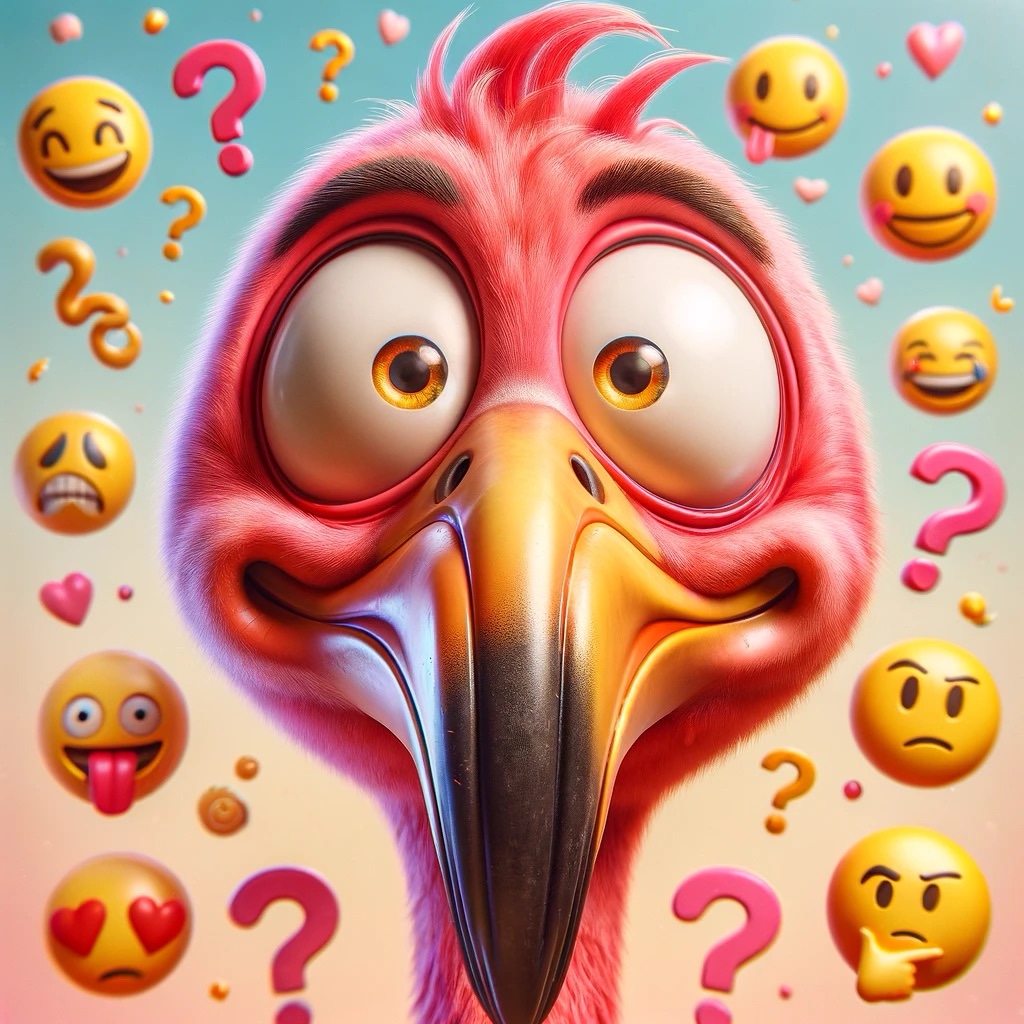
In texts where words alone might tread,
Emojis dance, expressions spread.
A smile to soften, frown to fret,
A tiny stage where tones are set.

Yet caution in the vast array,
Each icon bears its own ballet.
A thumbs-up here, a heart ❤️ displayed,
Choose wisely lest the meaning stray.

In digital realms, they bridge the gap,
Where language lacks, they fill the map.
From simple grins to complex scenes,
They paint in hues of yellows, greens.

Adopt a set, your trusted ❤️ crew,
The classics known to just a few.
With care and thought, their use we hone,
Through pixels bright, our feelings ❤️ shown.


 The Duck Pond Splash Down
Leave a comment